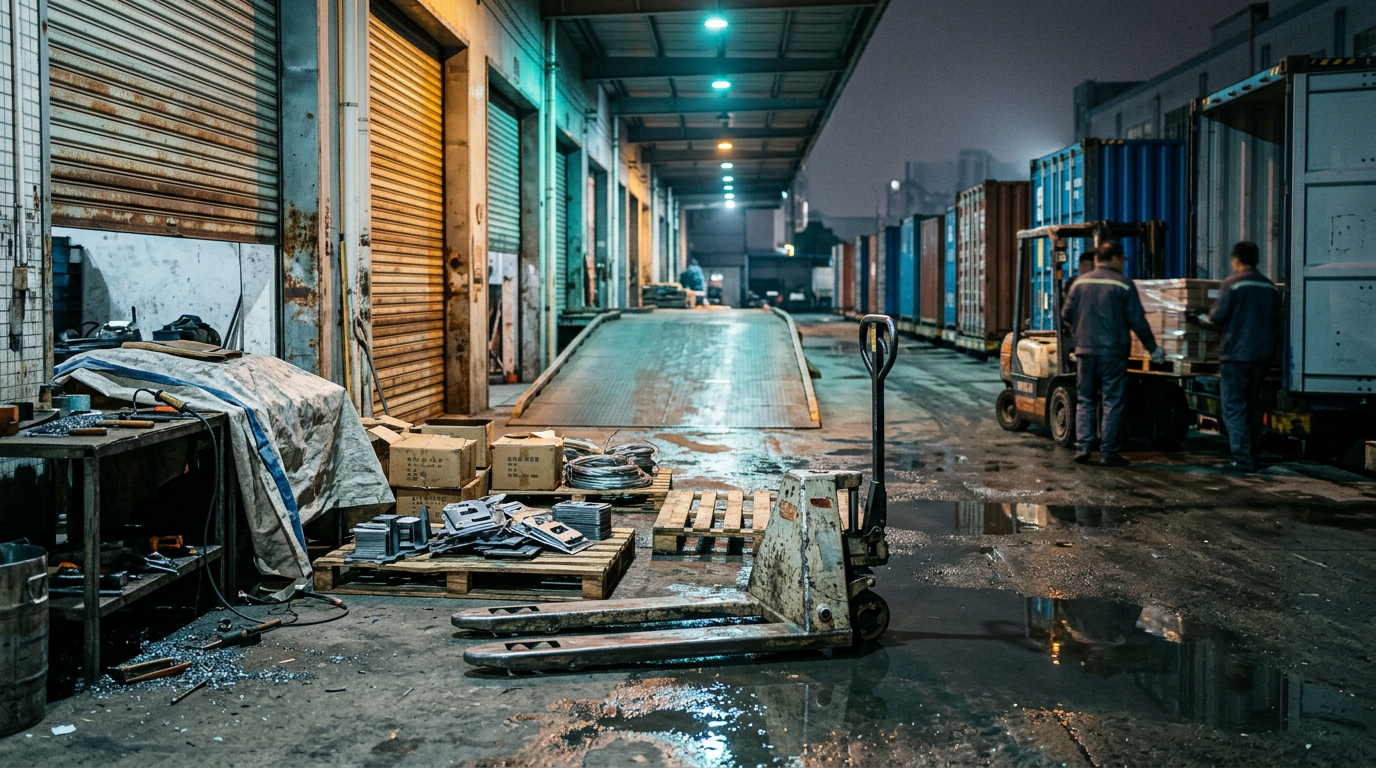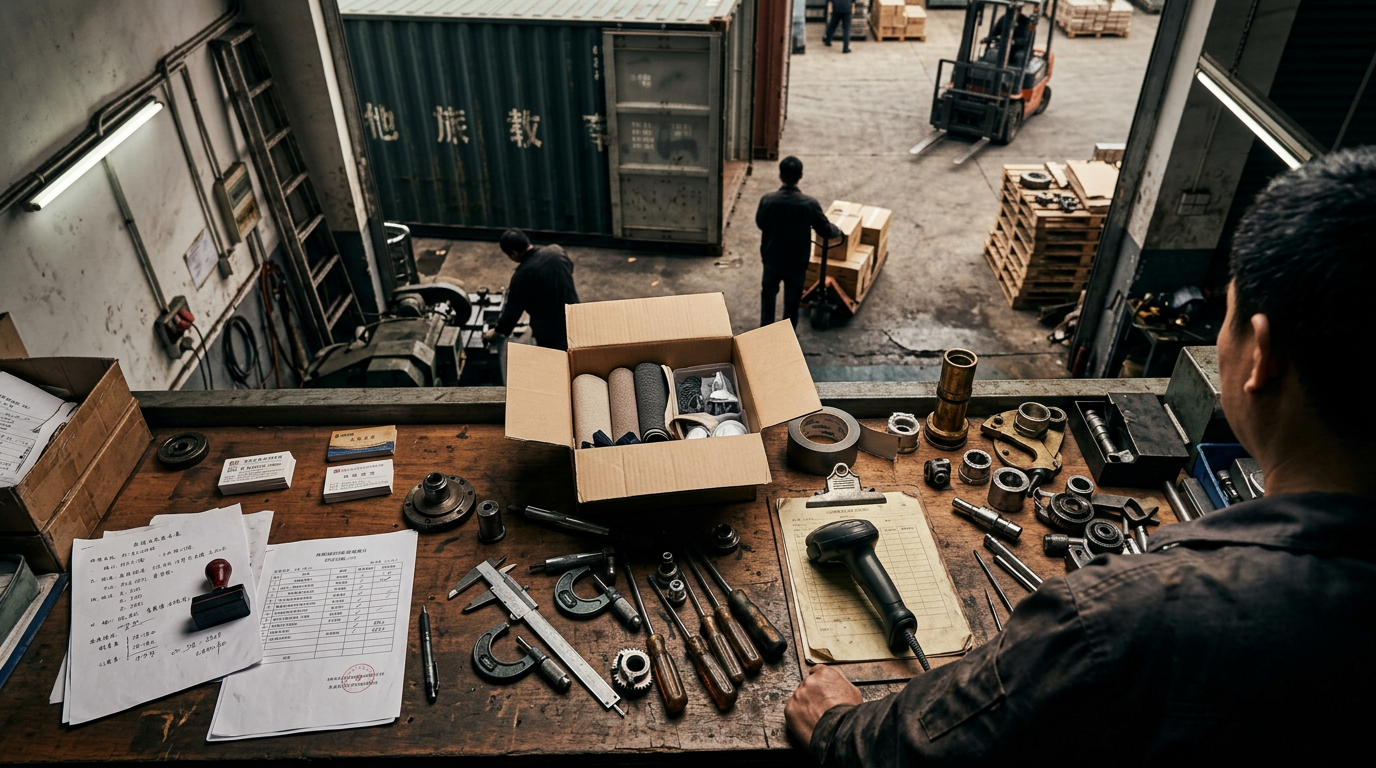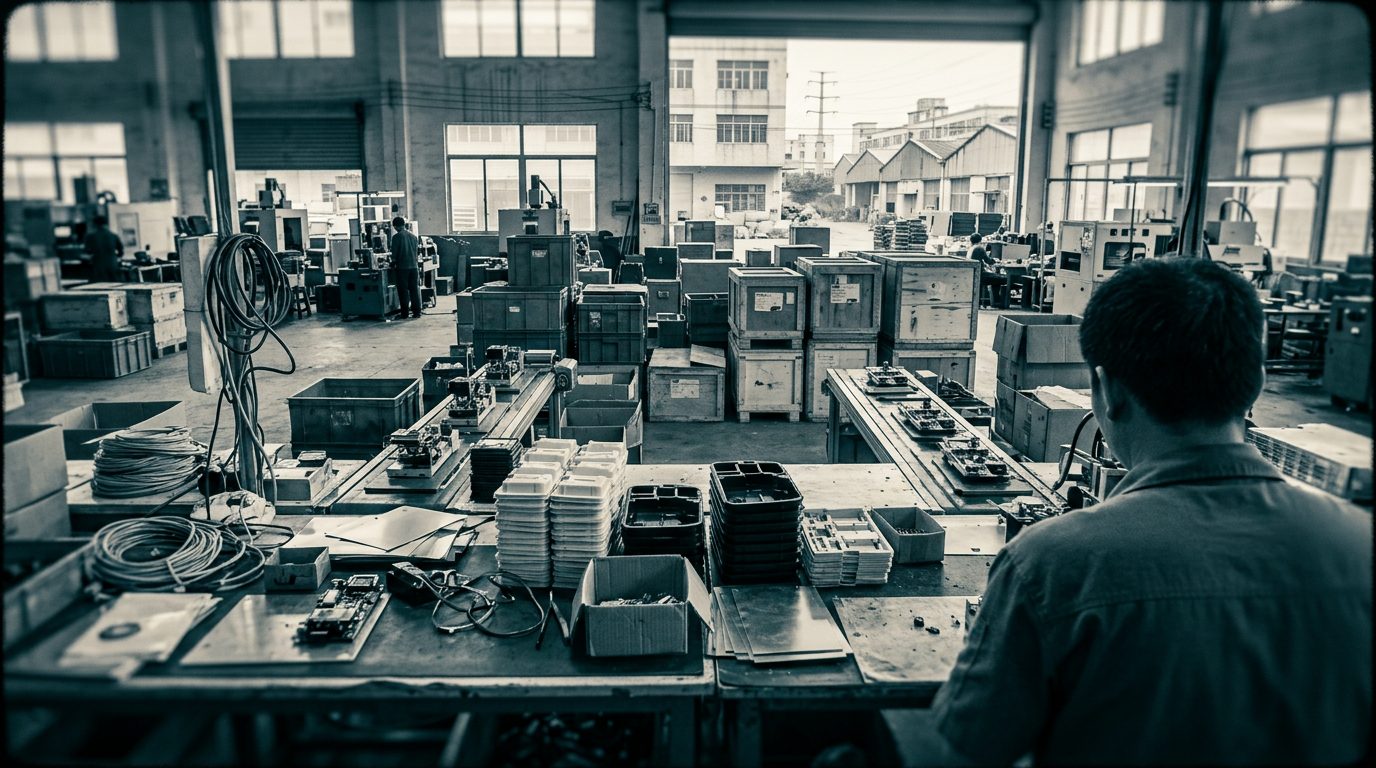
Supplier redundancy is the strategic practice of establishing multiple, qualified sources for the same product, component, or service to mitigate supply chain risk. For international businesses sourcing from China, this often conjures images of diversifying across different countries. However, a more nuanced and often more effective strategy is regional redundancy within the Pearl River Delta (PRD), now officially part of the Greater Bay Area (GBA). This approach involves leveraging the distinct, complementary strengths of manufacturing hubs like Shenzhen, Dongguan, and Foshan to build a resilient supply network that doesn't sacrifice the ecosystem's world-class efficiency, innovation, and infrastructure.
The inherent risk of single-source dependency cannot be overstated. Relying on one factory, no matter its reputation, exposes a business to a host of potential disruptions. These can range from internal issues like equipment failure, labor disputes, or a factory fire, to external shocks like localized COVID-19 lockdowns, raw material shortages, or government-mandated power curbs, such as those experienced in Guangdong province during 2021. The consequences of such a disruption are immediate and severe: production halts, order fulfillment fails, and market share is lost. Building redundancy is therefore not a cost, but an insurance policy against catastrophic revenue loss.
The Greater Bay Area (GBA) represents one of the most integrated and advanced manufacturing ecosystems globally. Shenzhen, Dongguan, and Foshan are not isolated cities but interconnected nodes within this powerhouse region. High-speed rail networks and an extensive highway system allow for the rapid movement of personnel and goods in hours, not days. This proximity is critical for a regional redundancy strategy, facilitating consolidated quality control inspections and streamlined logistics. A single quality assurance team can oversee factories in all three cities, and components from Dongguan and Foshan can be efficiently trucked to a final assembly point in Shenzhen for container loading at major ports like Yantian or Shekou.
Shenzhen's global reputation is built on innovation, speed, and high technology. It is the undisputed epicenter for consumer electronics, telecommunications equipment, IoT devices, and medical technology. For businesses developing new products (OEM/ODM), Shenzhen’s ecosystem of rapid prototyping, vast component markets like Huaqiangbei, and highly skilled engineering talent is unparalleled. A primary supplier for a complex electronics product would logically be based here. The city’s strength lies in final assembly, sophisticated PCB manufacturing, and integrating cutting-edge technology into finished goods. Its role in a redundancy strategy is often as the hub for final assembly and technology integration.
Immediately north of Shenzhen, Dongguan serves as the GBA's industrial backbone. Historically a hub for lower-cost assembly, it has evolved into a powerhouse for high-precision manufacturing processes. Dongguan is a global leader in mold making (injection, die-cast), plastic components, metal stamping, CNC machining, and industrial machinery. For a product designed and assembled in Shenzhen, it is highly probable that the critical molds and plastic enclosures are manufactured in Dongguan. In a redundancy model, Dongguan can host a secondary assembly line or, more strategically, serve as the primary source for essential mechanical components, diversifying the supply chain at the sub-assembly level.
Foshan, to the west of Dongguan, is characterized by its deep industrial clusters in specific product categories. It is the dominant global center for furniture, ceramics, lighting, and home appliances. Districts within the city, like Shunde for appliances or Lecong for furniture, contain thousands of factories and material suppliers focused on a single industry. This deep specialization creates unmatched economies of scale and expertise. For a company selling home goods, a redundancy strategy might involve qualifying two different furniture suppliers in Foshan or sourcing finished lighting from Foshan while securing specialized electrical components from Shenzhen, creating a cross-city component-level redundancy.
Implementing a practical regional redundancy strategy within the GBA requires a structured approach. The goal is to distribute risk without creating unmanageable complexity. A multi-layered plan often includes:
- 1. Component-Level Diversification: For a product assembled in Shenzhen, source the PCBA from a Shenzhen factory but the custom plastic enclosure and packaging from two different, vetted suppliers in Dongguan. This compartmentalizes risk at the component stage.
- 2. Assembly-Level Diversification: Qualify a primary assembly partner in Shenzhen for your high-tech product and a secondary, backup assembly factory in Dongguan. The backup factory is kept 'warm' with smaller orders, ready to scale up if the primary supplier faces disruption.
- 3. Process Redundancy: Instead of duplicating entire factories, duplicate critical processes. For example, have a primary metal stamping supplier in Dongguan and a certified backup supplier for the same tooling, ensuring that if one fails, production of that key part can continue elsewhere with minimal delay.
- 4. Unified Quality Framework: Implement a single, robust Quality Management System (QMS) based on standards like ISO 9001:2015 across all approved suppliers. This ensures that product quality remains consistent regardless of which factory in which city is producing the goods on a given day.
The financial investment in qualifying and maintaining a secondary supplier must be weighed against the potential cost of a supply chain failure. In today's volatile market, a single month of production downtime can easily erase a year's worth of profit. The cost of vetting a second factory, tooling duplication, and occasional small batch runs is fractional compared to the cost of lost sales, reputational damage, and frantic emergency sourcing during a crisis. For any serious importer, building resilience is a key pillar of their 2024/2025 sourcing strategy, transforming procurement from a cost center into a source of competitive advantage.
Navigating this multi-city ecosystem requires on-the-ground expertise. While geographically close, each city possesses unique business norms and logistical characteristics. A procurement partner physically located within the GBA is essential to bridge these subtle gaps and manage the network effectively. An expert partner can vet and audit factories across all three cities, ensuring they meet technical, commercial, and ESG compliance standards. They can also manage the crucial inter-factory logistics, coordinating the movement of components for final assembly and consolidating shipments for export, optimizing both cost and efficiency.
Procubility, based in the heart of Shenzhen, is purpose-built to execute such sophisticated regional sourcing strategies. Our on-the-ground teams provide end-to-end procurement services, from identifying and auditing a network of redundant suppliers across Shenzhen, Dongguan, and Foshan to implementing unified quality control protocols. We manage the complex orchestration of components and final assembly, and handle all logistics to provide seamless, door-to-door delivery. By leveraging our deep expertise within the Greater Bay Area, we empower SMEs to build the resilient, high-performing supply chains necessary to thrive in a complex global market.