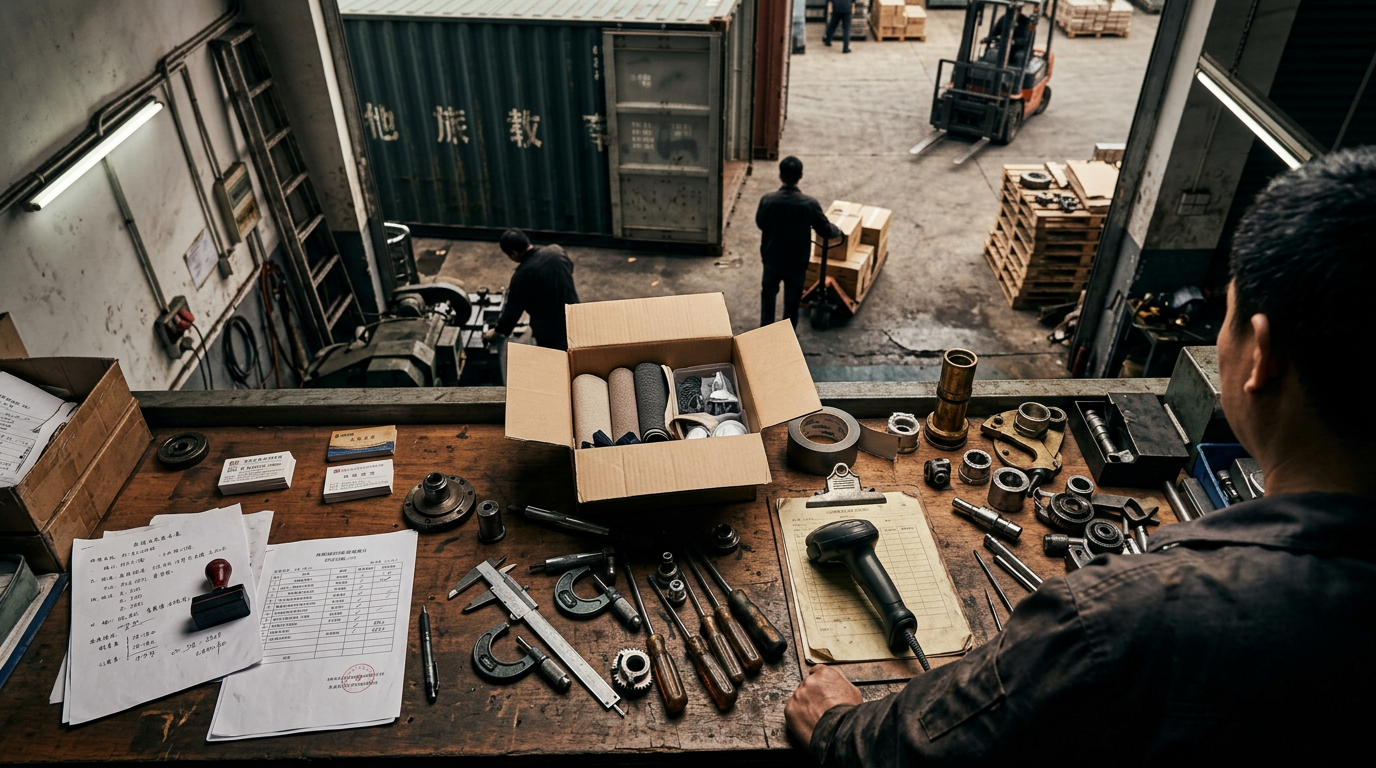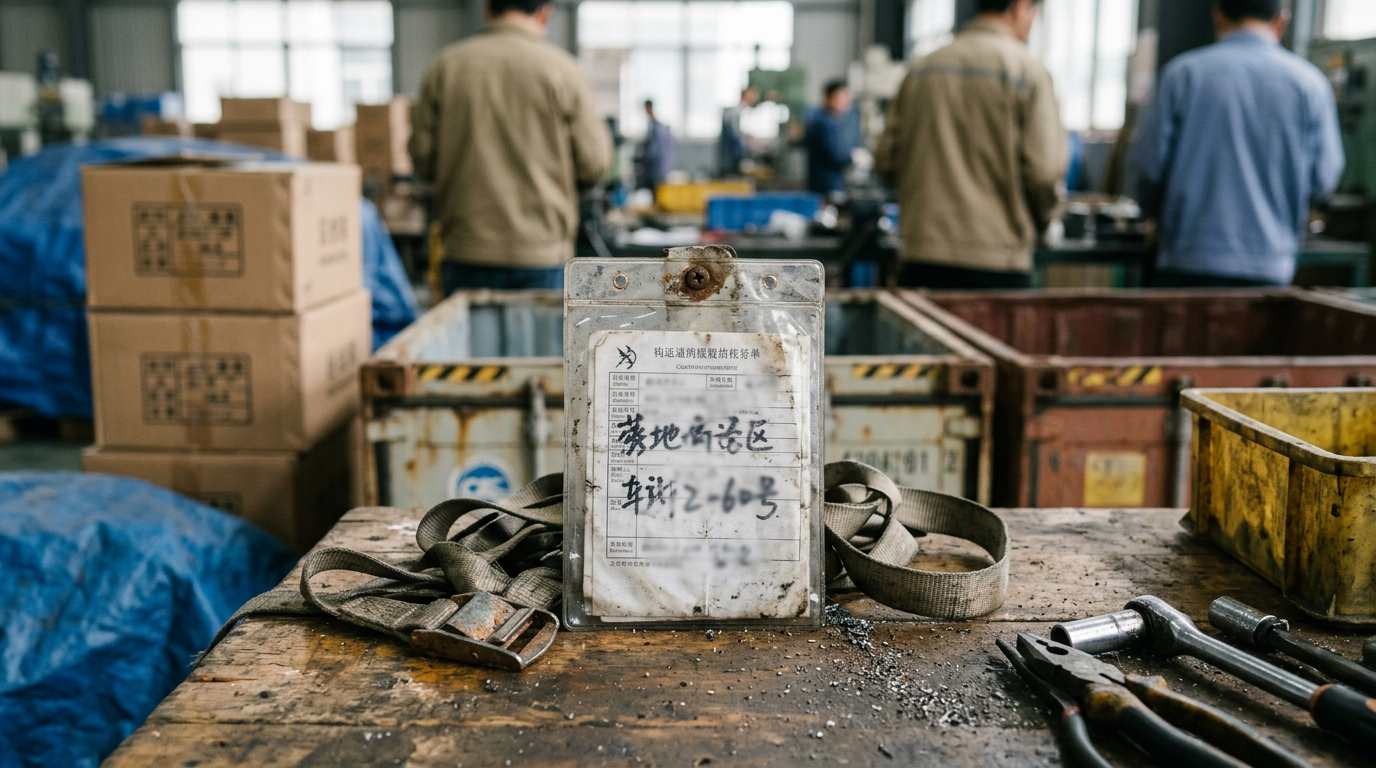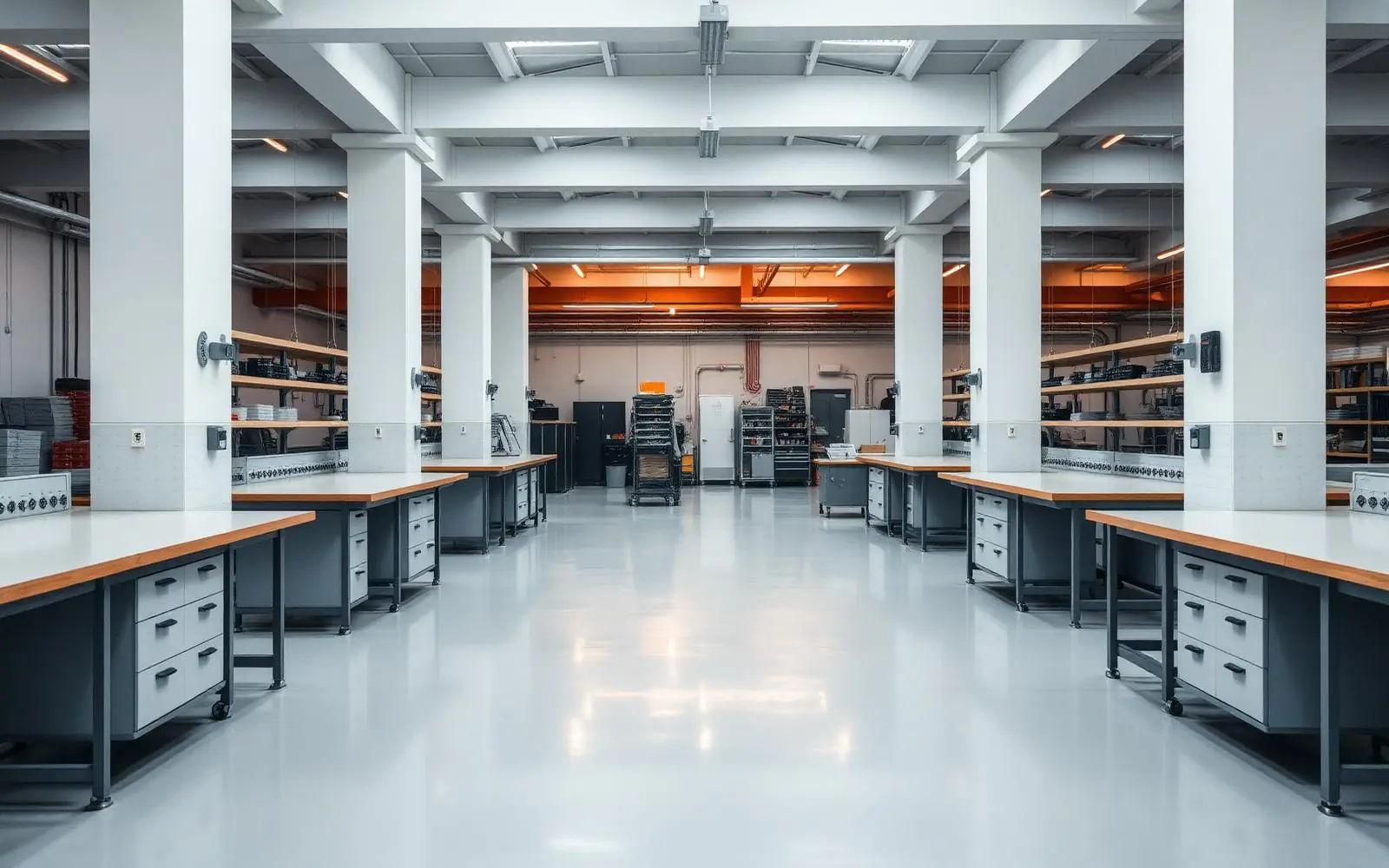
Subcontracting is the silent risk in China sourcing. Importers see a clean factory floor on the WeChat video, a signed supplier agreement, and a stamped quality report — but a meaningful share of the actual production is being trucked to an unvetted workshop the brand has never heard of, often after dark.
This article explains why subcontracting happens, why it is the single most common cause of unexplained defects, late shipments, and compliance failures, and how a forensic audit detects it before it costs you a season of inventory.
## Why subcontracting happens
Chinese factories operate on thin margins and volatile order books. When a supplier overcommits to volume — usually because they cannot say no to a long-term buyer — the cheapest way to balance the books is to push the overflow to a smaller workshop nearby that has spare capacity and a lower hourly cost. The supplier you audited keeps the high-margin assembly and final packing. The work that involves regulated materials, specialised processes, or environmental risk gets handed out.
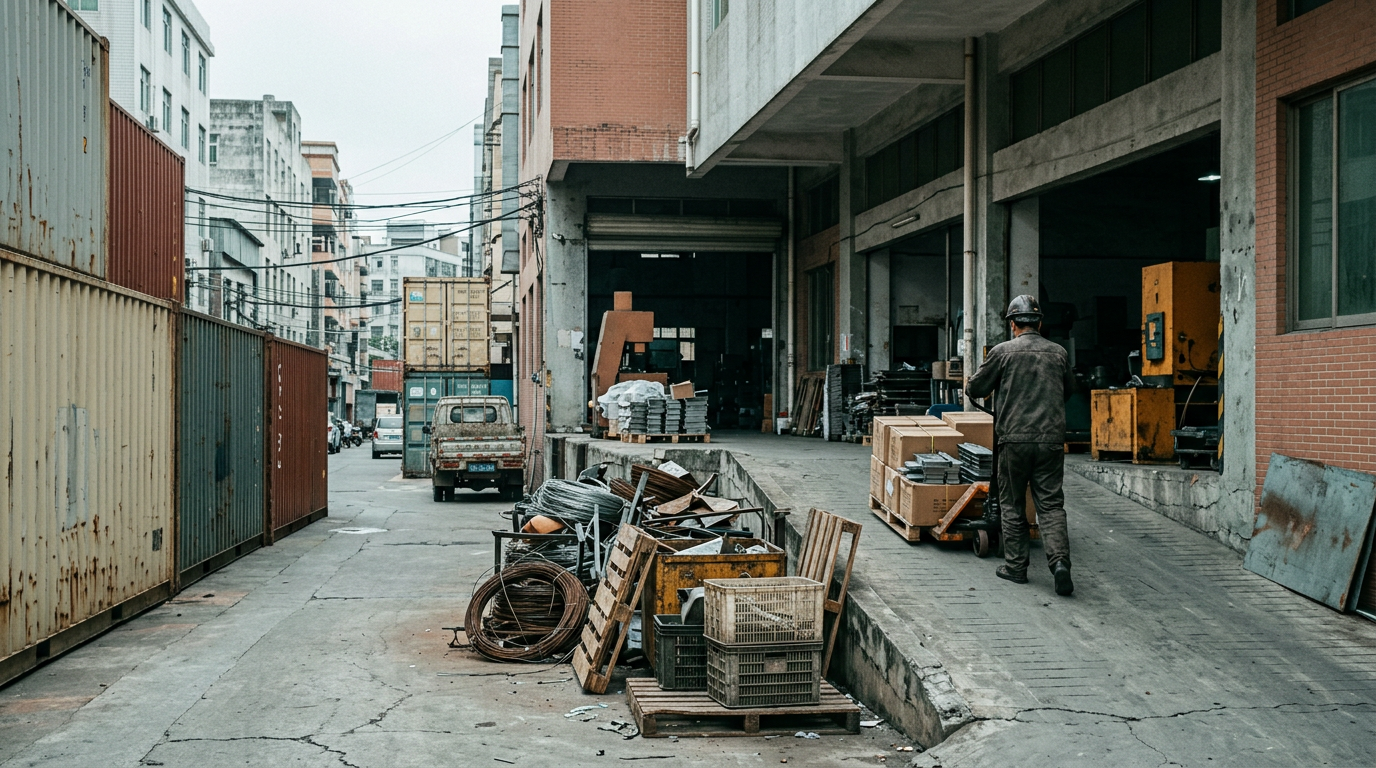
This is not theoretical. In one Dongguan injection-molding case, we measured a factory's metered electricity draw and machine uptime, then reconciled it against claimed weekly output. The math did not work. Roughly 40% of the batches we were inspecting had never been produced on that factory's floor. A power audit, a worker interview, and a 21:00 unannounced visit confirmed the trucks leaving the back gate.
## What you actually lose
Three things break when production is subcontracted without your knowledge:
**Quality drifts unpredictably.** The unvetted workshop is using different machines, different operators, and often a different polymer or steel batch. The QC team at the audited factory only tests what they produce — the subcontracted half ships untested. You see this as a sudden spike in field returns three months in.
**Compliance becomes undefendable.** REACH, RoHS, CBAM, CSDDD and UFLPA all require traceable evidence at the production site. If a regulator asks where 30% of your shipment was actually manufactured, "we don't know" is not an answer that protects your importer-of-record status.
**Lead times become a fiction.** The subcontracted workshop is not on your supplier's planning system. When their queue slips, your shipment slips, and your supplier has no way to expedite work they don't directly control.
## How forensic auditors detect subcontracting
A standard tick-box audit will never find subcontracting because the auditor visits during the day, sees a clean floor, and ticks the box. A forensic audit triangulates four data points:
1. **Power and utility reconciliation.** Claimed weekly output is converted into expected machine kWh and operator hours. We compare against the metered draw on the panel and the wage records. A 30%+ gap is a near-certain indicator.
2. **Material trace audit.** We pull the raw material in/out logs and reconcile against the finished-goods log. Material that goes in and never comes out as scrap or product has been moved off-site.
3. **Worker interviews.** Off-site interviews — never on the factory floor — surface the truth quickly. Operators know exactly which batches are real and which were trucked in for final stamping.
4. **Unannounced second visit.** We come back unannounced 36–72 hours later, often after dark. Trucks loading semi-finished goods at 21:00 is the single most common evidence.
## What to demand in your supplier contract
Three contractual clauses move the needle:
- A no-subcontracting clause tied to a price-reduction penalty per affected unit, not just a vague "right to terminate." - A right-to-audit clause that includes unannounced visits and named third-party auditors. - A change-control clause requiring written notification of any process, material, or sub-tier supplier change at least 30 days before production.
## The forensic baseline
Once you have a forensic baseline audit on file — power draw, machine list, worker headcount, raw-material log — you can detect subcontracting on every subsequent visit by simply re-reading the same numbers. Drift becomes visible. Suspicion becomes evidence.
If you suspect your factory is subcontracting, do not raise it on a call. The factory will deny it and the next batch will be carefully cleaned up. Mobilise an unannounced forensic re-audit. The only conversation worth having afterwards is the one where you have evidence on the table.