You have the supplier’s slick presentation, a competitive quote, and an impressive website. The next step is the factory visit. Many importers treat the factory tour as a formality, a quick walk-through before talking price in a polished meeting room. But the real work, the assessment that separates a reliable partner from a future production crisis, happens on the factory floor. A proper factory audit in China is not a pleasant tour; it is a diagnostic process designed to uncover what the sales manager will not tell you.
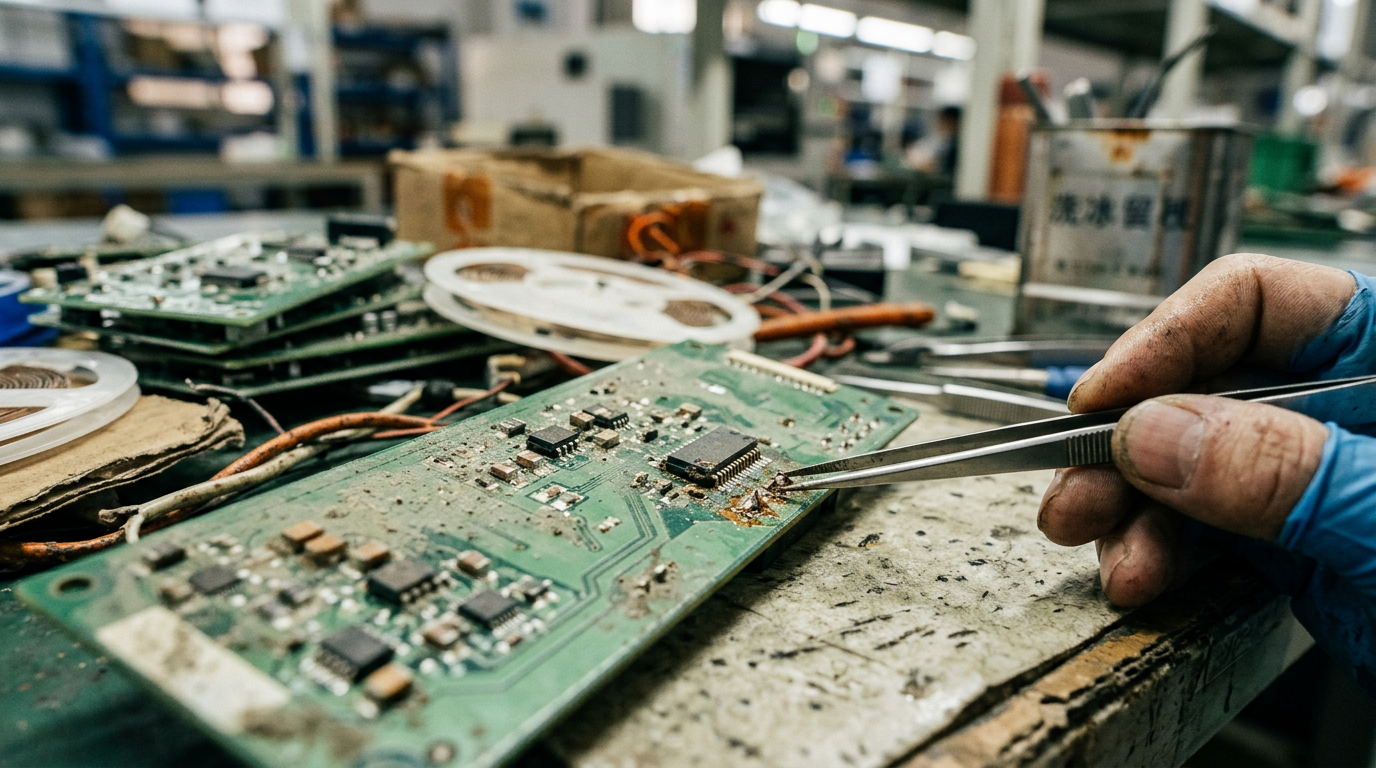
The risks of a superficial assessment are significant. We worked with a German appliance brand that was impressed by a Shenzhen factory's gleaming SMT lines and professional English-speaking staff. They placed an order for 20,000 units. The first shipment arrived with nearly a quarter of the units failing basic functional tests. It turned out the main factory only handled final assembly for a small portion of the order. The core PCBA manufacturing and most of the assembly had been pushed to a network of smaller, unqualified workshops in a dusty back-alley in Dongguan. The glossy audit was for a production line that never touched their product.
Identifying these risks requires knowing what to look for beyond the welcome fruit platter. A supplier audit checklist for China should be built around spotting discrepancies between what is claimed and what is observed. It is a hunt for signals, subtle and overt, that management is either hiding something or, worse, does not have control over their own operations. A factory audit verifies systems and capabilities; a quality inspection verifies finished goods. Confusing the two is a common and expensive mistake.
Here are seven red flags we consistently watch for during an on-site factory audit in China.
1. The Staged or Blocked Tour Route. The manager leads you on a very specific, narrow path. Doors to other workshops are conveniently locked or blocked. The floors are suspiciously clean, with no work-in-progress inventory in sight. Workers seem to be performing simple, repetitive tasks with intense focus, almost like they are acting. This is a classic sign that you are only being shown a model line, not the real production environment.
2. Fake or Expired Certifications. In the meeting room, you are presented with a folder of certificates: ISO 9001, BSCI, maybe a CE technical file. A red flag is when the company name on the certificate does not exactly match the business license, or the address is different. We check QR codes on the spot. If they link to a static image or a dead webpage instead of the issuing body's live database (like the amfori BSCI platform), the certificate is likely fake. Expired dates are another common, low-effort deception.
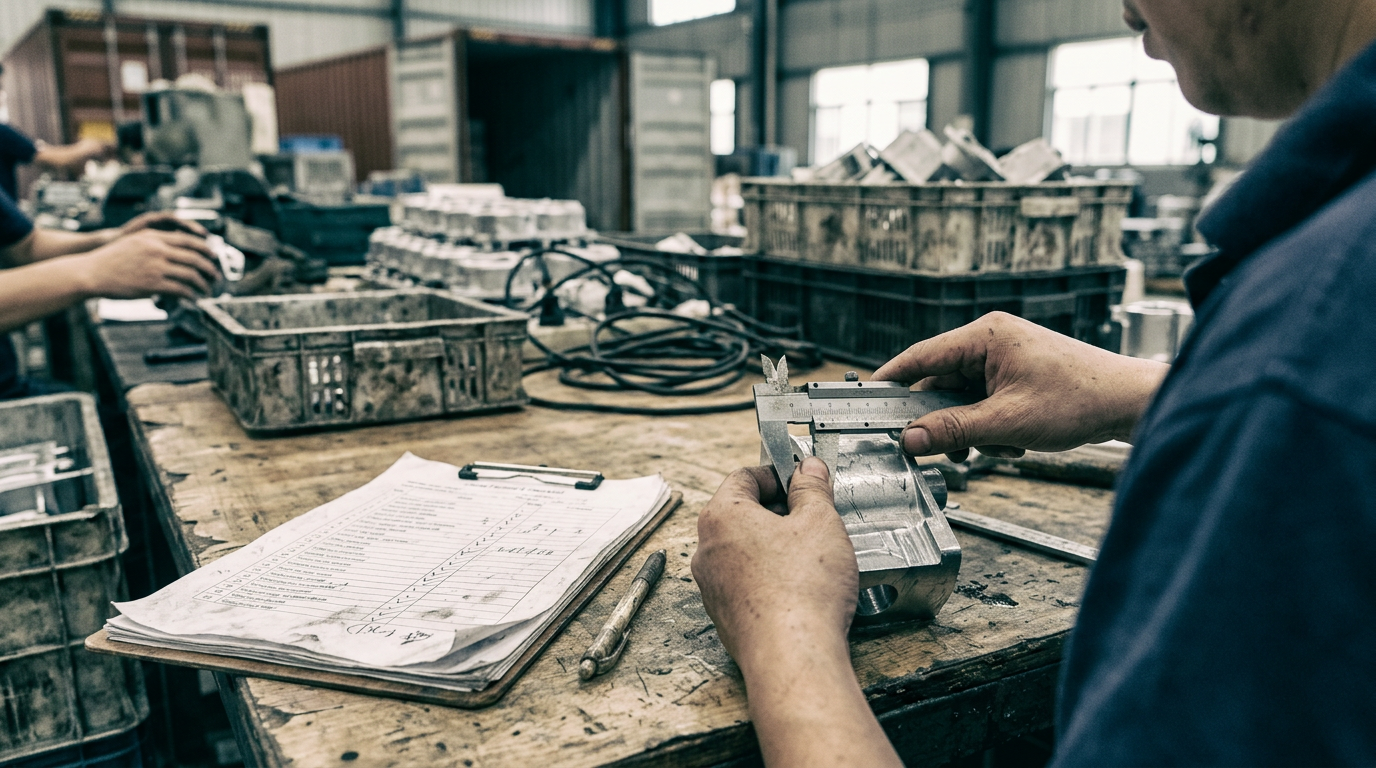
3. No Documented QC Process. Ask to see the quality control station. Is there one? When a component is found to be defective, what is the procedure? If the line leader just says, “Oh, we tell the worker to be more careful,” that is a massive red flag. A mature factory will have documented Standard Operating Procedures (SOPs), incoming quality control (IQC) records for raw materials, and in-process quality control (IPQC) checklists at critical stations. Without these, quality is based on luck.
4. Overloaded Production Capacity. Look at the production planning boards on the wall. Does the math add up? If a factory with 15 injection moulding presses claims a capacity of 20,000 units a day, but the cycle time for your part is two minutes, something is wrong. Other signs of overload include excessive work-in-progress (WIP) inventory clogging aisles, stressed-out managers, and visible evidence of rushed work like un-trimmed flashing on plastic parts.
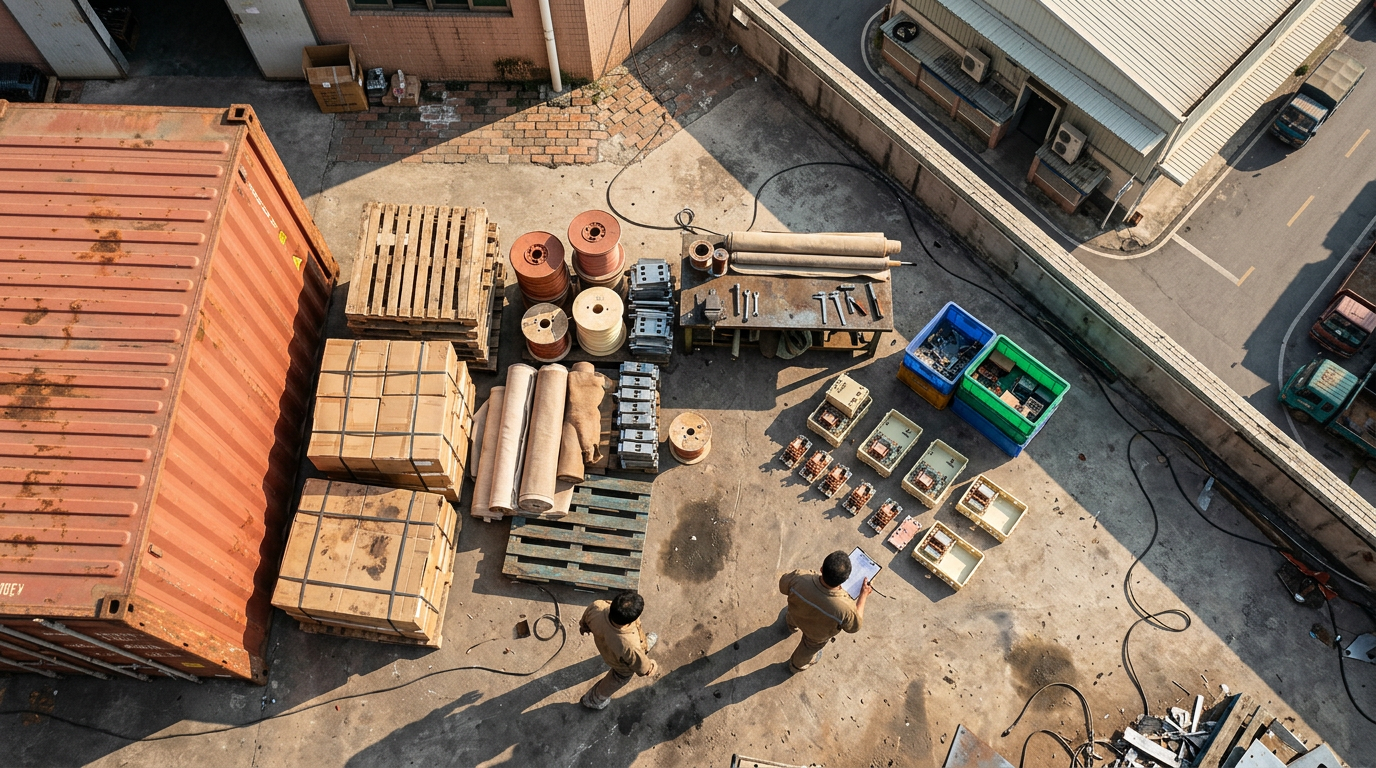
5. Missing Material Traceability. For any product, but especially for those with EU or US compliance needs like RoHS, REACH or FDA, traceability is non-negotiable. Point to a pallet of raw materials—a roll of steel, a bag of plastic pellets—and ask for the Material Test Certificate (MTC) or Certificate of Analysis (COA) for that specific batch. A good factory can pull this document in minutes. A factory that cannot, or provides a generic one from six months ago, has no control over its supply chain. This is a common failure point in a China factory inspection.
6. Untrained Workers on Critical Stations. Look at who is performing the most complex or dangerous tasks. Is the person operating the 200-ton press sending texts on their phone? Is the electrical safety testing station staffed by a new hire who seems uncertain? High staff turnover, visible through a large number of very young or temporary-looking workers, can mean that process knowledge is constantly walking out the door. This leads to inconsistent quality.
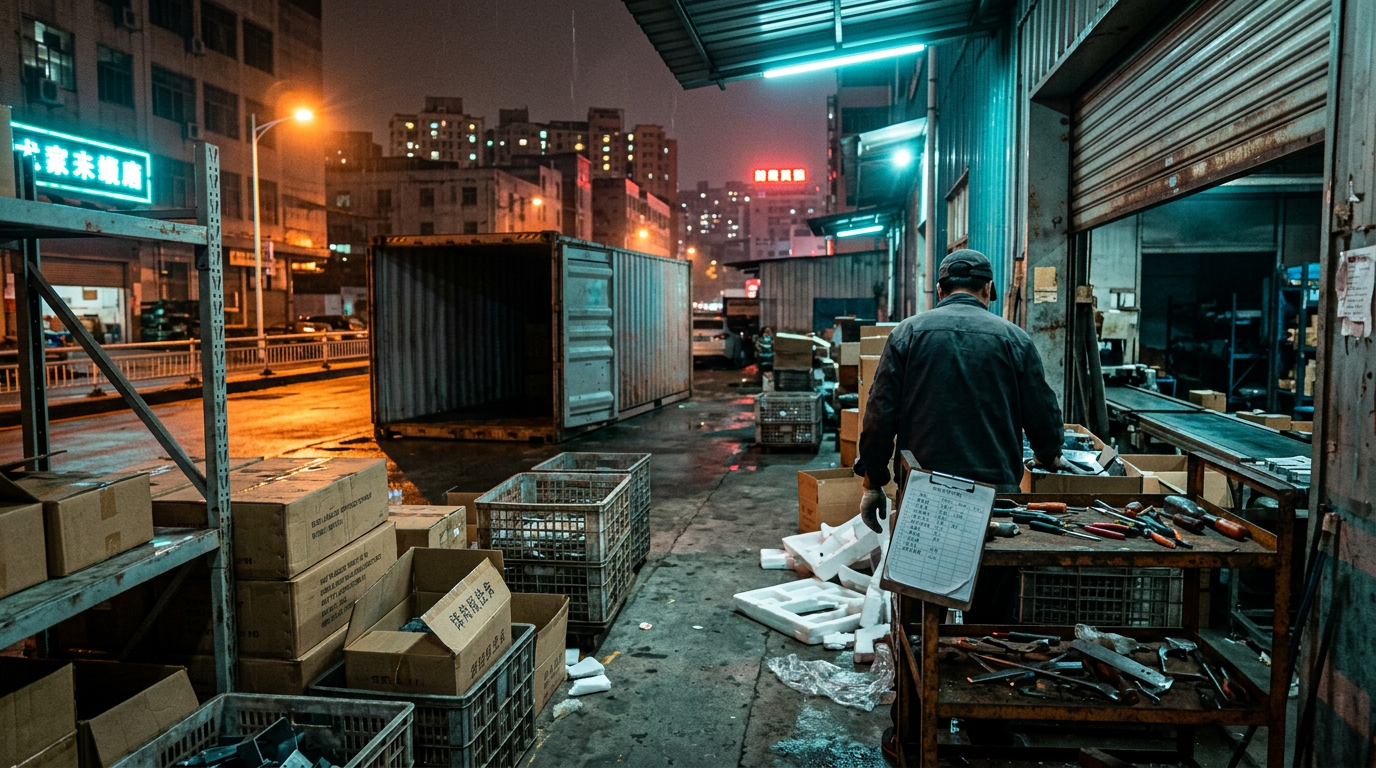
7. Signs of Unauthorized Subcontracting. The factory is too quiet. You are there to see production of your large metal enclosures, but you only see a few small stamping machines. When you ask where the welding and powder coating happens, the manager gets vague and mentions a “partner facility.” This is often a euphemism for a cheaper, un-audited subcontractor they do not want you to see. This is the root cause of the German appliance brand's disaster.
So what do you do when you see these flags? The solution is to have a clear protocol *before* the visit. First, brief your auditor or your own team on these specific points. During the audit, if a door is locked, politely but firmly insist it be opened. Have a native Mandarin speaker on your team who can chat casually with workers away from the manager. After the visit, cross-reference the company name and address on the business license with the one on their bank details, certifications, and building entrance. If red flags are raised, do not immediately disqualify the supplier. Instead, document the risk and present it to them. A good potential partner will be transparent and offer a corrective action plan. A poor one will become defensive or evasive.
Here is an insight from years of walking factory floors in the Pearl River Delta: sometimes, a small, honest problem is a better sign than a facade of perfection. We once audited a Ningbo factory for an Australian client. The owner was upfront. “Our polishing line is weak,” he said. “For your high-gloss finish, we use a specialist partner three blocks away. We manage their QC. You can visit them with me this afternoon.” That transparency and managed, open subcontracting is a sign of maturity. It is far better than the factory that claims to do everything in-house, but secretly outsources 50% of the work to an unknown D-grade workshop when they fall behind schedule.
These are not edge cases. Spotting the difference between a staged performance and a genuinely capable supplier is a core function of effective sourcing. It requires experience, local knowledge, and a willingness to look beyond the surface. The Procubility team, based in Shenzhen, spends its days on these factory floors. Our audits and continuous on-site presence are designed to provide this clarity, ensuring the supplier you approve on paper is the same one that actually manufactures your goods to specification, month after month.