You receive the first container and everything is perfect. The product matches the golden sample you approved; the finish is clean, the function is flawless. You place a reorder. Three months later, the second shipment arrives, and something is wrong. The colour is a shade off, the texture feels different, or assembly tolerances are looser. You audited this factory yourself. You have a signed quality agreement. What happened in the interim is a common and costly problem for importers: the hidden risk of undisclosed supplier subcontracting in China.
The risk is a loss of control. Consider a Dutch outdoor furniture importer we worked with. They had selected a supplier in Foshan with an excellent in-house powder-coating line, critical for weather resistance. Their initial orders were robust and durable. Then, a large pre-summer order arrived and, within months, customers began reporting premature rusting. The importer was mystified. The supplier's facility was top-tier. An investigation revealed the factory, facing a seasonal capacity crunch, had outsourced the coating for half the order to a cheaper, nearby workshop with inadequate pretreatment processes. The factory you vetted was not the factory that made your goods. This is the core danger of unauthorized factory subcontracting.
It is important to understand why this happens. Supplier subcontracting in China is not always driven by deceit; it is often a pragmatic response to business pressures. The most common trigger is a capacity bottleneck. Your supplier accepts an order larger than their own production lines can handle, especially ahead of major manufacturing breaks like Chinese New Year. A second driver is cost optimization. Your primary supplier might win the order with a competitive price, knowing they can outsource a specific process—like CNC machining or final assembly—to a smaller, lower-overhead facility and increase their margin. Finally, some suppliers act more like general contractors, presenting a unified front while having no intention of performing all processes in-house.
Factory subcontracting, in this context, is the practice of a primary supplier assigning part or all of a production order to a third-party factory without the buyer's explicit knowledge and consent. This is fundamentally different from a transparent, multi-tiered supply chain where component and material suppliers are declared and approved. The defining issue is the lack of China supplier transparency. When a supplier hides this activity, your quality assurance framework becomes meaningless. Your social compliance audit, such as BSCI or Sedex, is invalid because you have no visibility into labour conditions at the subcontracted plant. Material traceability for regulations like RoHS or REACH is broken.
Detecting undisclosed subcontracting requires vigilance, both remotely and on-site. The signs are often subtle but clear to a trained eye. A factory audit is the best tool, but even a thorough review of documents can raise flags. Look for these signals:
1. Capacity and Worker Mismatch: Do the math. A supplier claiming a capacity of 100,000 units per month should have the machinery and labor to support it. If you visit a 50-person factory with just a few assembly lines, their claimed capacity is likely inflated and reliant on a hidden network of other workshops. Ask about shift patterns and worker counts, and compare it to the visible infrastructure.
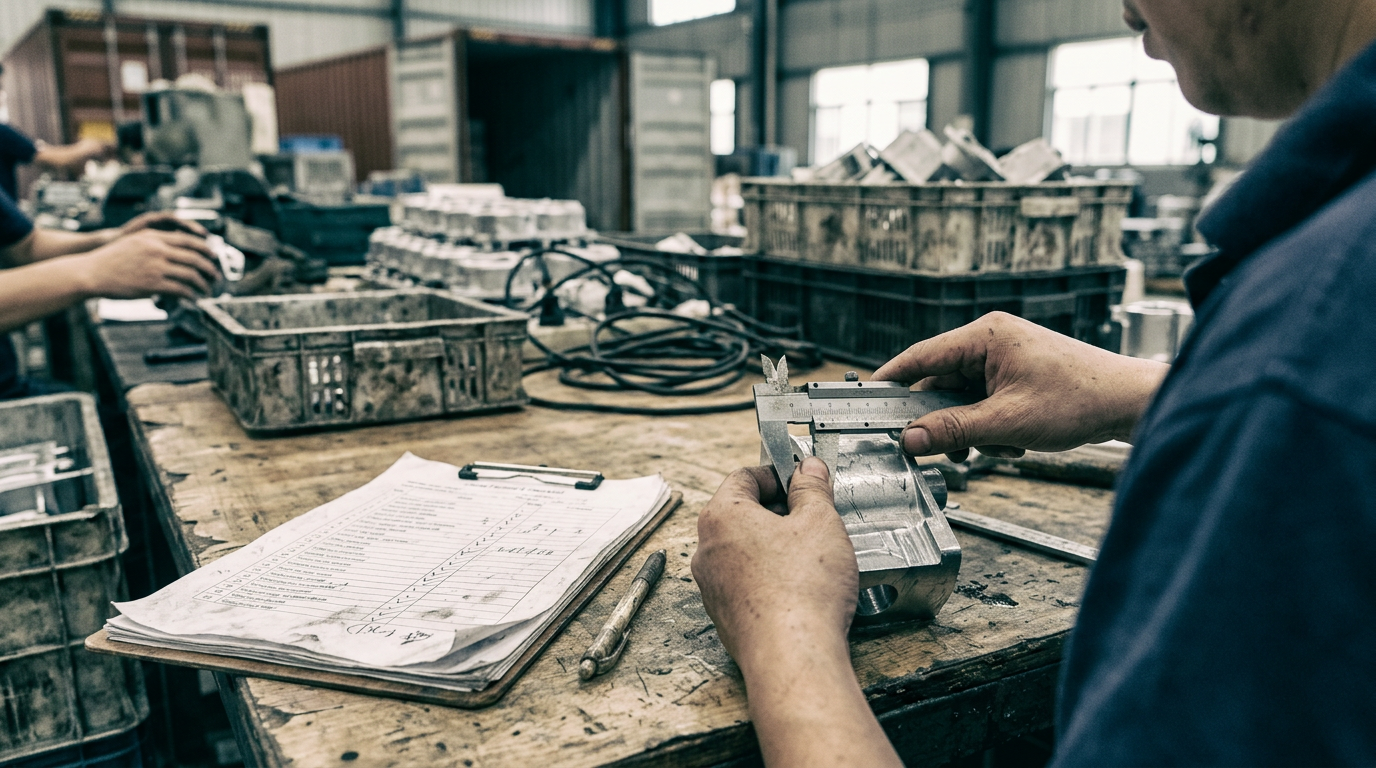
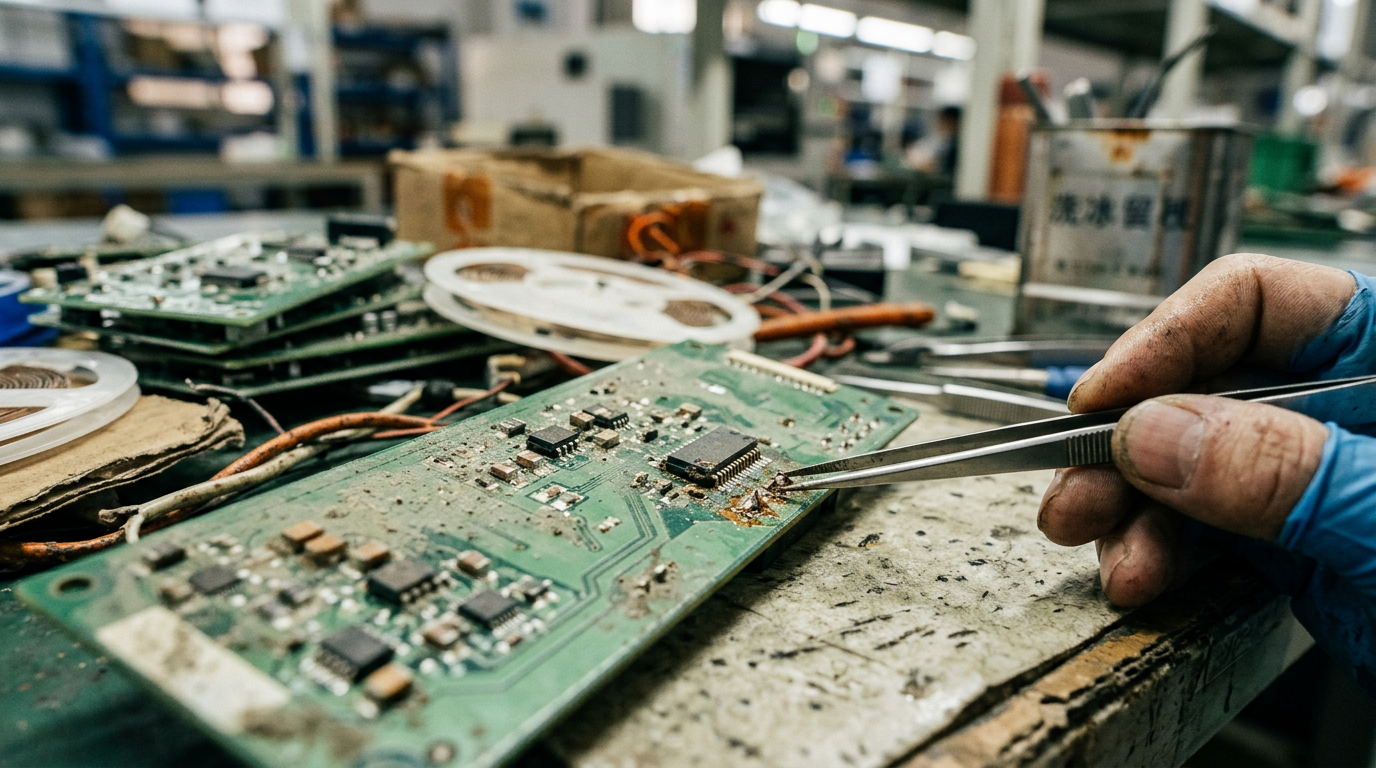
2. Missing Processes On-Site: If your product requires a specific process like injection moulding, die casting, or SMT PCB assembly, you must see that capability during the audit. Be wary of excuses like the equipment being at an "affiliated facility" or temporarily "down for maintenance." A credible manufacturer is proud of their key equipment.
3. Vague Production Records: A well-managed factory has a clear paper trail. This includes incoming quality control (IQC) reports for raw materials, specific work orders assigned to production lines, and lot tracking numbers that follow a component from start to finish. If records are messy, incomplete, or look freshly printed for your visit, they may be obscuring the true production location.
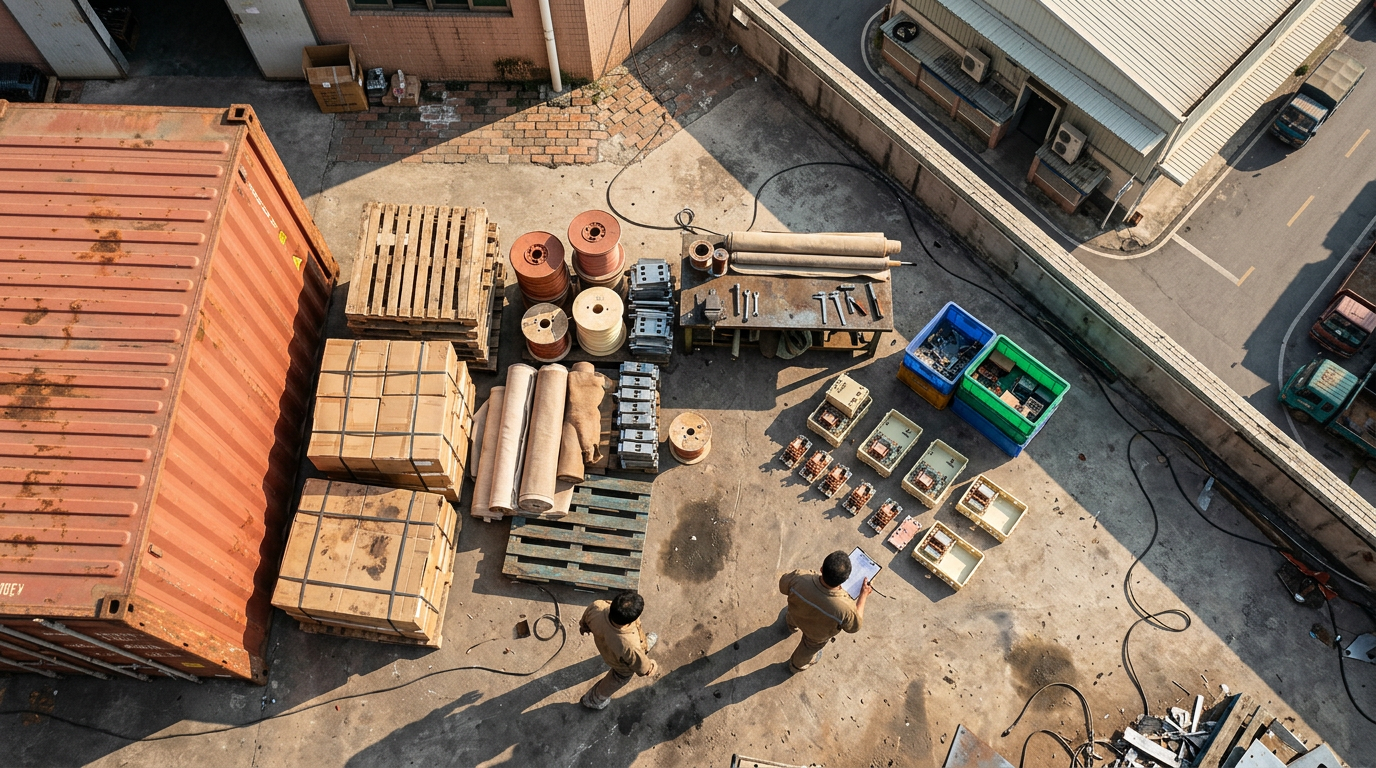
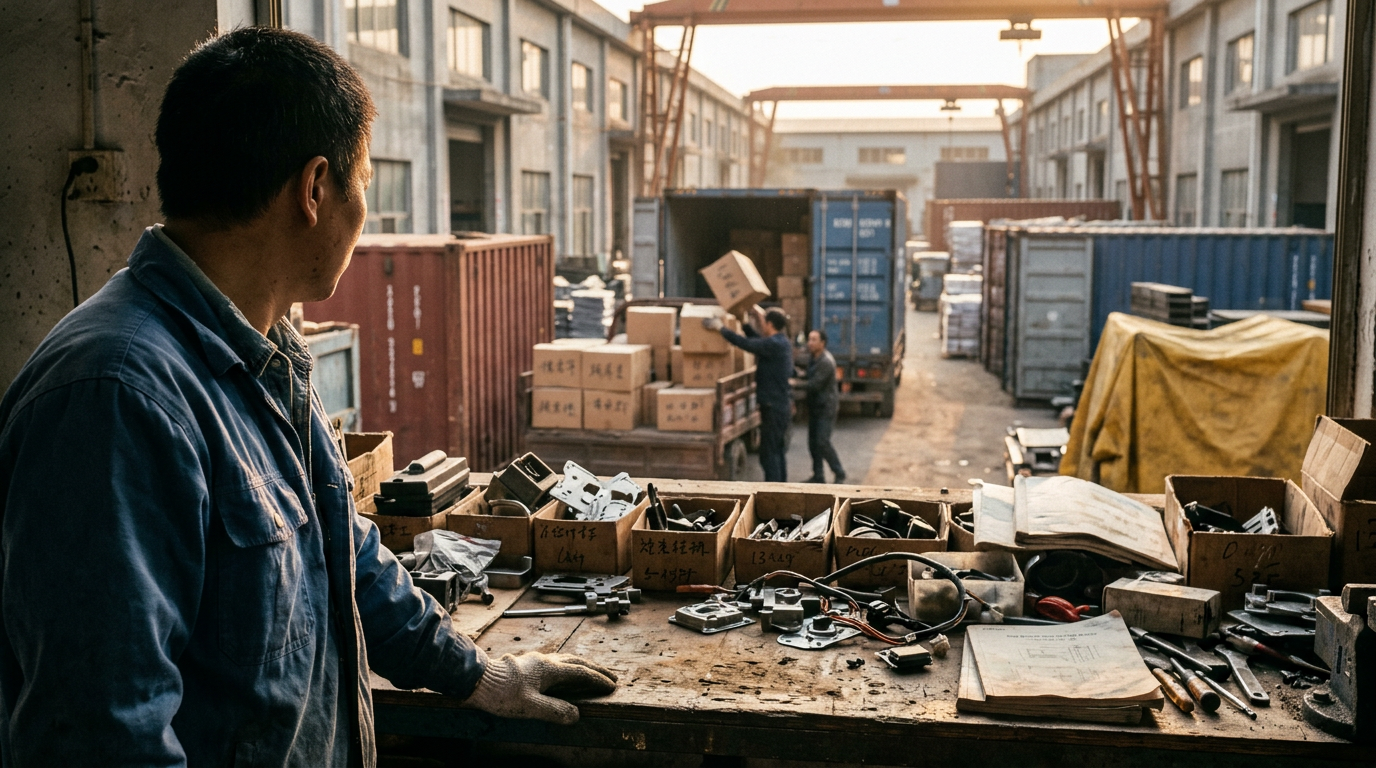
4. Inconsistent Warehouse Goods: During an audit, walk through the warehouse for finished goods and raw materials. Look for packaging, shipping marks, or internal labels bearing unfamiliar company names. These can be tell-tale signs that finished goods or major sub-assemblies are arriving from an outside facility.
The most effective way to manage this risk is to address it before you commit. Your manufacturing or supply agreement is the primary instrument of control. It must contain a clear, unambiguous clause that expressly forbids any and all unauthorized supplier subcontracting. The language should be precise: specifying that any use of a third-party facility requires your prior written consent, and that any proposed subcontractor is subject to the same audit and quality verification process as the primary supplier. This turns a hidden practice into a transparent, controlled process.
A contract alone is not enough; it needs financial teeth. Link the no-subcontracting clause to your payment terms. The agreement should state that evidence of undisclosed factory subcontracting constitutes a material breach of contract. This gives you the explicit right to reject the goods, cancel the balance of the order, and potentially claim back deposits or tooling investments. To enforce this, your quality control plan should incorporate unannounced inspections. A mid-production check is far more effective at catching subcontracting in the act than a pre-scheduled final inspection, for which a supplier can prepare by moving all goods back to the main factory.
Here is an insight from the factory floor: extensive subcontracting is normal, even essential, to the dynamism of Chinese manufacturing hubs like Shenzhen and Dongguan. A single large assembler in Bao'an might rely on a dense network of smaller, highly specialized workshops within a few square kilometers—one for polishing, another for anodizing, a third for printing. Your primary supplier often acts as a project manager and final integrator. This ecosystem is a source of incredible speed and flexibility. The problem is not the network itself, but the opacity. The goal should not be to forbid all outsourcing, which is often unrealistic, but to force your supplier to declare their network, giving you the power to audit and control the extended supply chain.
Managing these intricate production networks and ensuring China supplier transparency requires a level of oversight that is difficult for overseas SMEs to achieve alone. Our Procubility team, based in Shenzhen, functions as our clients' on-the-ground presence. We conduct the deep-dive audits needed to map out a supplier's real production capabilities and dependencies. We build robust manufacturing agreements that protect our clients from the risks of undisclosed factory subcontracting. Through a program of initial audits, in-process inspections, and end-to-end quality management, we ensure the factory you approve is the factory that makes your product, delivering the consistency and compliance your business depends on.