Many Western buyers use the terms 'factory audit' and 'quality inspection' interchangeably. Some believe a good inspection report means the factory is good. Others think a strong initial audit guarantees a perfect shipment. Both assumptions are wrong, and both create expensive blind spots. Understanding the distinction between a factory audit vs inspection is not a semantic exercise; it is fundamental to managing risk when manufacturing in China.
Let’s be precise. A factory audit is a systematic evaluation of a potential supplier's systems, capabilities, and compliance before you place an order. It answers the question: 'Can this factory make my product to the required standard, reliably and ethically?' A quality inspection, by contrast, is a physical check of the goods themselves during or after production. It answers the question: 'Did the factory make this specific batch of products to my required standard?' One assesses potential; the other verifies reality.
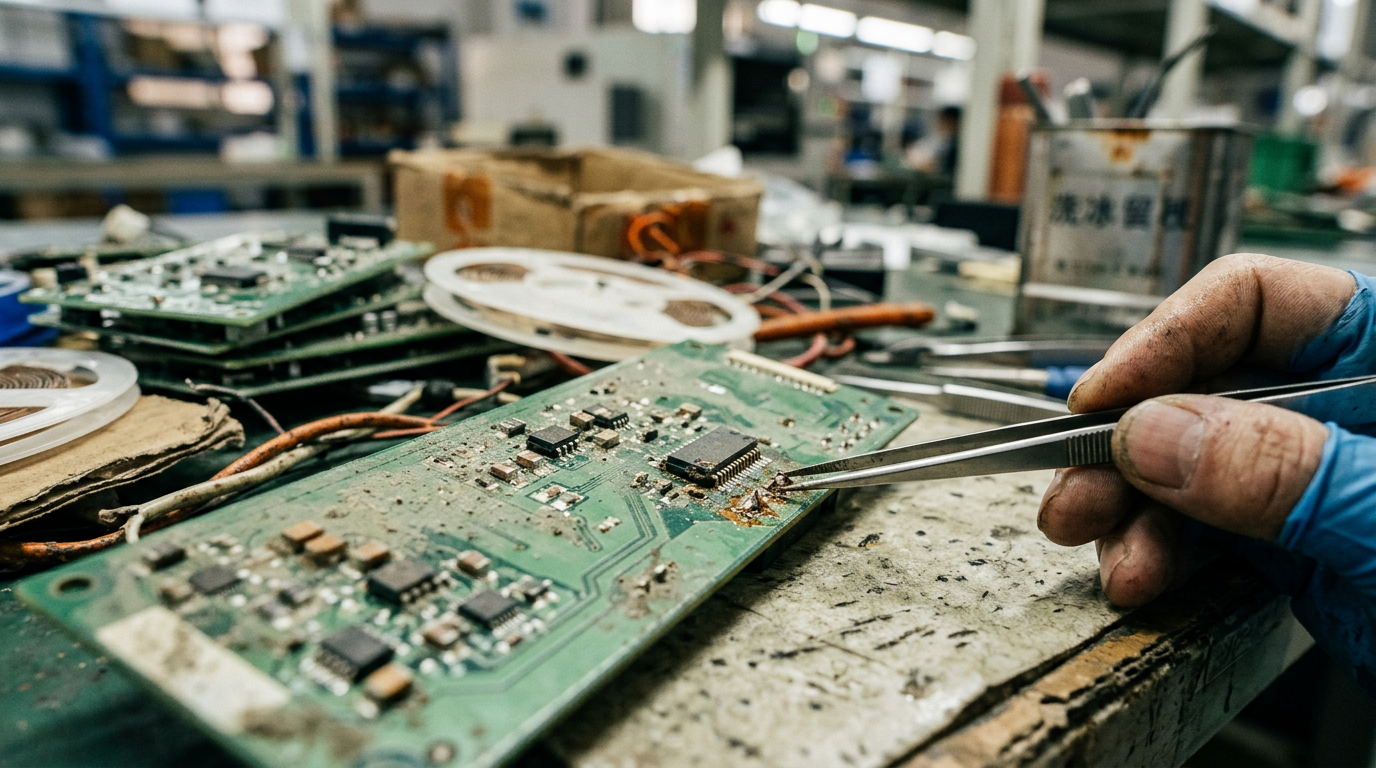
The primary risk of skipping a supplier audit is partnering with the wrong factory from the start. We saw this with an American startup importing smart home devices. They found a supplier on a B2B platform with a sleek website and a low price. They skipped the audit to save time and money, placing a 5,000-unit order. Their third-party pre-shipment inspection in Shenzhen then revealed a disaster. The factory was a small, dirty workshop, not the facility shown online. Defect rates were over 30%, with functional failures in the main chipset. They had unknowingly contracted with a low-end assembly workshop subcontracting most of the work. The inspection correctly identified the bad products, but it was too late. The deposit was lost, and the product launch was scrapped.
Conversely, relying only on an audit is just as dangerous. A Dutch outdoor furniture importer learned this lesson. They conducted a thorough technical audit on a large factory in Foshan. The audit passed with flying colours: excellent machinery, robust ISO 9001 system, clean records. Confident, they placed a large order for teak tables and chairs, but waived in-process and final inspections to maintain a good relationship. The containers arrived in Rotterdam containing tables with misaligned legs and chairs with cracked joints. The factory had the capability to produce good products—the audit proved it—but on this specific production run, corner-cutting on material drying times and rushed assembly led to a catastrophic quality failure. An audit verifies the system; an inspection verifies the output of that system on a given day.
A proper factory audit is not a simple checklist. It is an intrusive, evidence-based process that must be done on-site. When we conduct a supplier audit for a client, our engineers focus on tangible proof of capability and process control. This includes verifying:
1. Business Legitimacy: Cross-checking the official business license, tax registration, and any specific production licenses (e.g., for medical devices or food-contact materials). We ensure the company you are paying is the same entity that owns and operates the factory.
2. Quality Management System (QMS): We go beyond the ISO 9001 certificate on the wall. We pull records for incoming quality control (IQC) on raw materials, check for in-process quality control (IPQC) stations and their documentation, and review final quality control (FQC) reports for past orders.
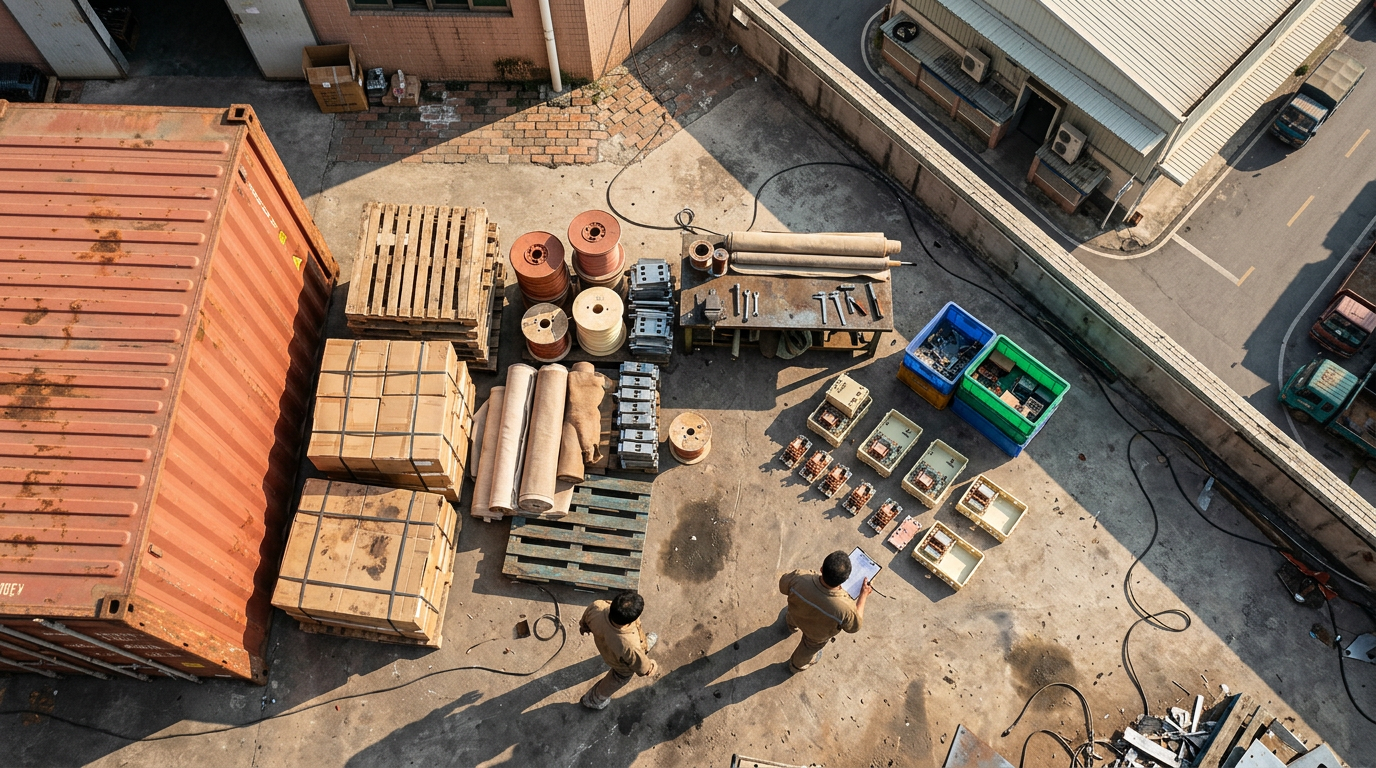
3. Production Capacity and Equipment: We document the actual machinery on the floor—the type, age, and maintenance status of CNC machines, injection presses, or SMT lines. This allows a realistic assessment of their capacity and technical ability, cutting through the sales pitch.
4. Social Compliance: Where required, we perform a basic check for signals of major violations, which can inform the need for a full BSCI or SMETA audit. For clients selling into the EU, this is an increasingly critical part of due diligence under new regulations like the CSDDD.
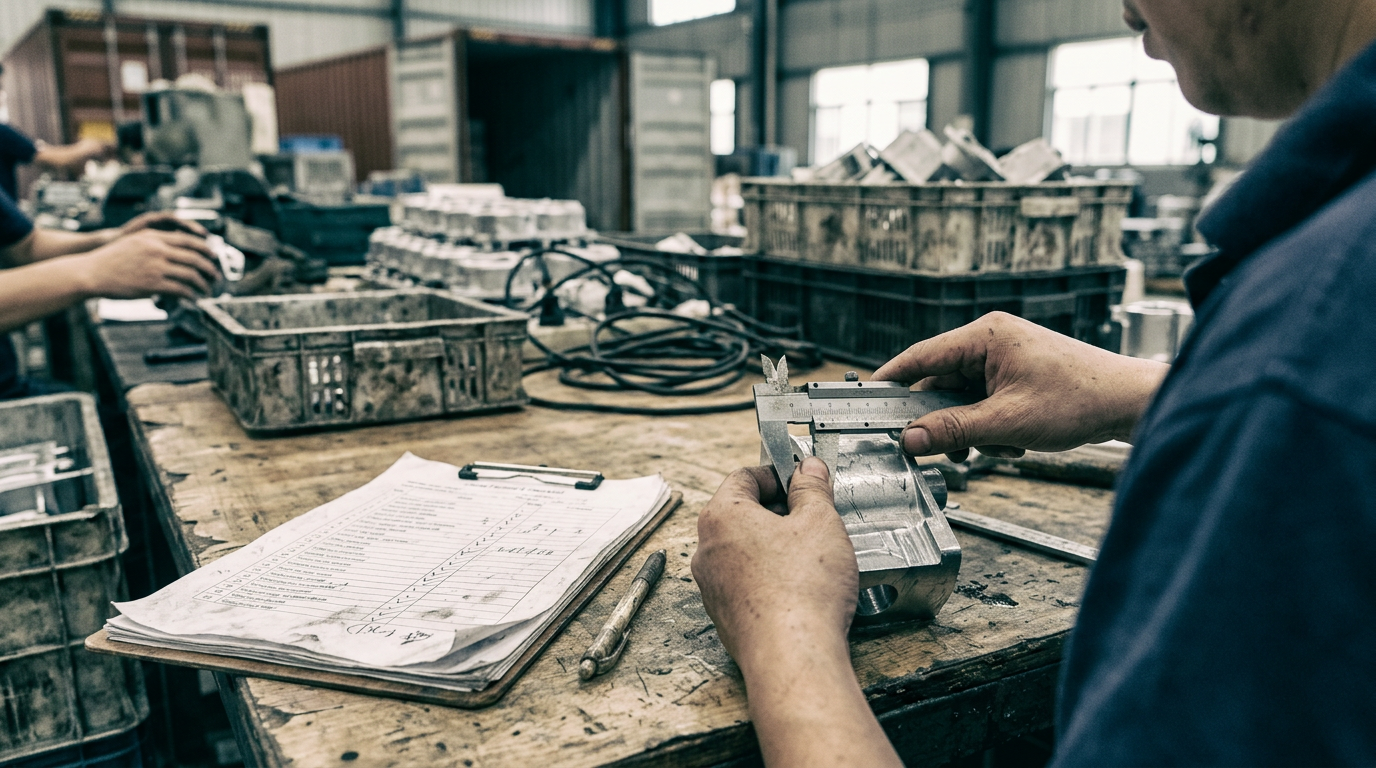
A quality inspection, on the other hand, is a tactical product-focused event. While there are different types, the Pre-Shipment Inspection (PSI) is the most common. A PSI takes place at the factory when the order is at least 80% produced and packed. An inspector, working from your detailed specifications, golden sample, and test protocols, pulls a random sample of units based on an established standard like AQL (Acceptance Quality Level). They check for workmanship defects, dimensions, functionality, packaging, and labeling. A pre-shipment inspection in China is your last chance to find and address issues before the goods are shipped and you make your final payment. It provides critical leverage.
The solution isn't to choose between them. The concepts of factory audit vs inspection are not in competition; they are sequential components of a professional sourcing process. First, you audit to qualify the partner. Then, you inspect to manage the product. The proper sequence is clear: for any new supplier, you must conduct a technical supplier audit before signing a contract or paying a deposit. This is a one-time cost, perhaps USD 800 - USD 1,500, that vets a partnership potentially worth millions. Once the supplier is qualified and the order placed, every shipment must undergo a pre-shipment inspection before the final balance is paid. This is a recurring operational cost, typically USD 300 - USD 500 per inspector-day, that protects the value of each individual order.
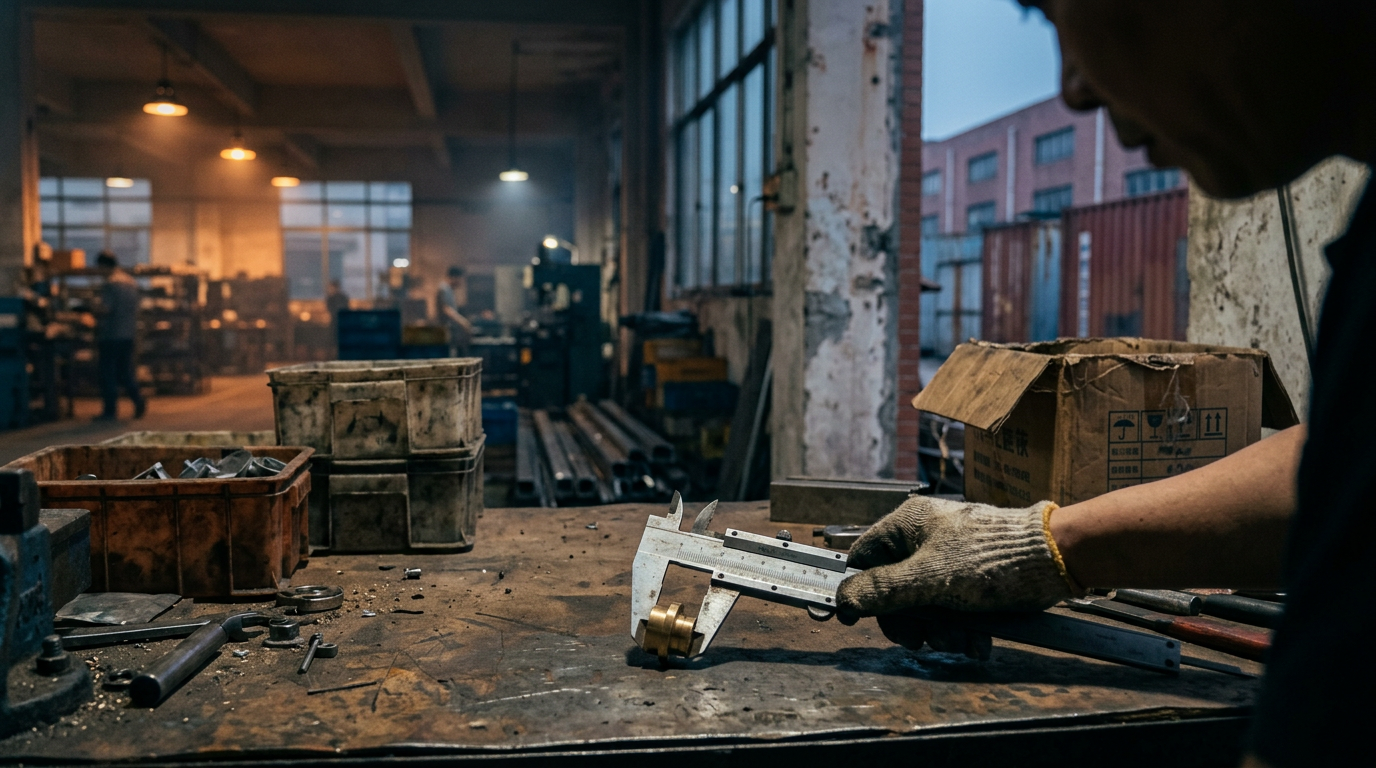
A common mistake buyers make is to see an ISO 9001 certificate and assume the factory is 'qualified.' We have stood on factory floors in Ningbo and Dongguan where a pristine ISO certificate is proudly displayed in the reception area, yet the actual production process shows no sign of the documented quality controls. Certificates can be acquired, especially with the help of consultants who create perfect-on-paper systems. A real audit ignores the paper and seeks proof on the factory floor. It asks to see the calibration records for the calipers used on the line, the traceable MTC for the latest batch of steel, the repair logs for the moulding press. This is what separates a box-ticking exercise from a genuine technical assessment.
Building a robust supply chain means using the right tool at the right time. An audit is your telescope, used to find the right star to aim for. An inspection is your microscope, used to check the cells of the organism you have created. Skipping the audit is like setting sail without a map. Skipping the inspection is like sailing at night with no one on lookout. One mistake risks your strategy, the other risks your immediate cargo. Professional importers understand they need both to navigate the journey successfully.
Knowing the difference between a factory audit and an inspection is the first step. The second is having the local resources to execute them properly. Our teams based in Shenzhen provide our clients with that capability. We conduct technical audits to build ESG-compliant supplier networks and deploy our own QC staff for in-process and pre-shipment inspections. By integrating system-level vetting with product-level quality control, we provide an end-to-end purchasing framework that allows importers to operate in China with greater confidence and control, safeguarding their capital and their brand.