Most importers vet a new supplier through a similar process. They review a well-designed website, exchange pleasantries on WeChat, and maybe receive a sample that looks perfect. They see photos of a modern, clean facility. Based on this, they transfer a 30% deposit for a 50,000-unit order. This is a sourcing strategy based on trust. But in manufacturing, trust must be earned through verification. The tool for that verification is the factory audit, a process far more revealing than any polished marketing materials.
The risk of skipping this step is profound. One of our clients, a US-based home goods brand, learned this the hard way. Their order of 20,000 ceramic planters arrived in two distinct batches of quality. The first 8,000 were flawless—glaze was even, color was consistent. The remaining 12,000 were a disaster, with visible imperfections and a slightly different hue. Their supplier, a trading company posing as a factory, had accepted an order beyond their primary factory's capacity. The overflow was outsourced to a low-cost, low-quality workshop without the buyer's knowledge. A thorough factory audit process would have flagged the capacity mismatch from the start.
A factory audit is a systematic, on-site evaluation of a supplier's production capabilities, quality management systems, social compliance, and overall operational reliability. It is crucial to distinguish this from a quality inspection. A quality inspection checks the finished goods against a specification sheet, usually before shipment. A factory audit inspects the *system* that produces those goods, and it should happen before you even place an order. One verifies the product; the other verifies the producer. Both are essential, but they serve different purposes at different stages of the procurement lifecycle.
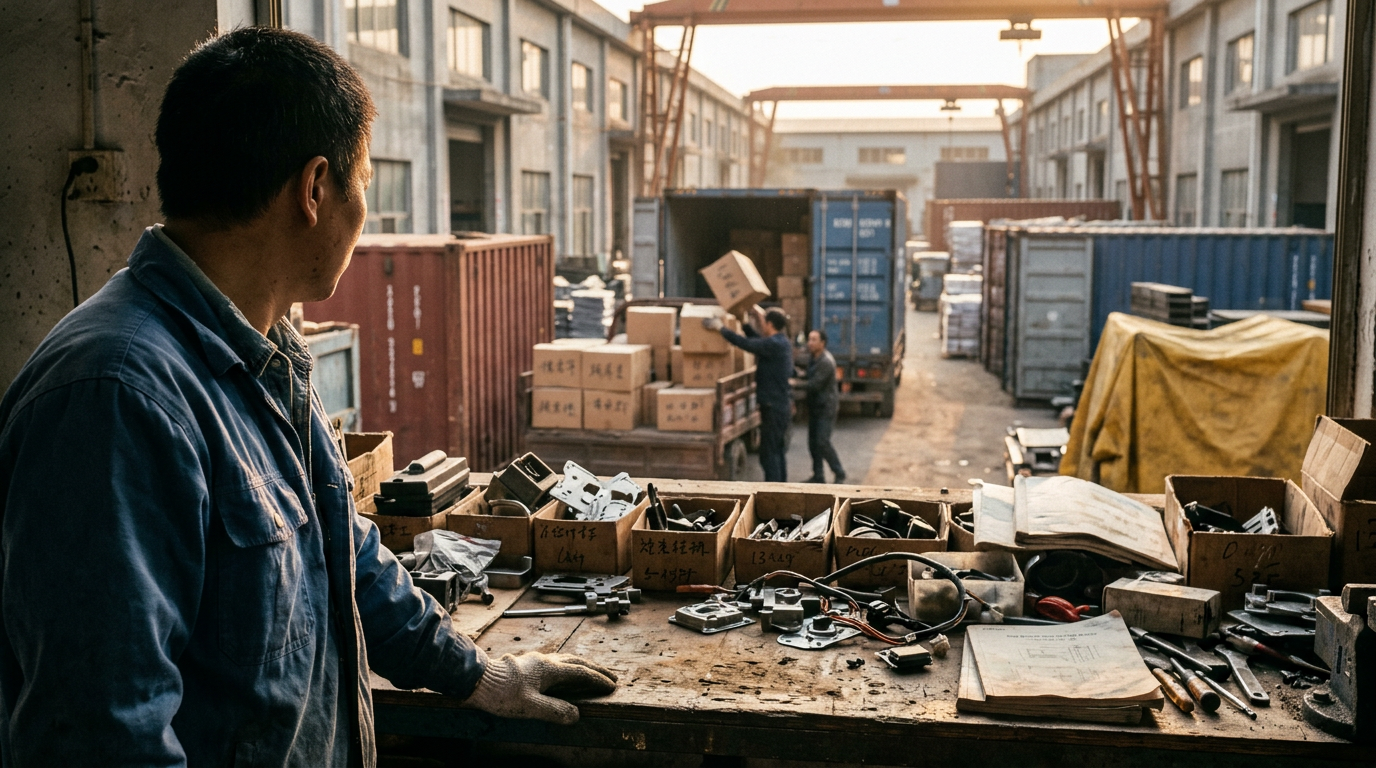
So, what does a real factory audit actually look like? It begins upon arrival, often with a brief opening meeting. But the core of the audit is the factory walk. This must not be a guided tour of the factory’s best-looking areas. The auditor should walk the entire production line in its logical sequence, starting where raw materials come in and ending where finished goods are packed for export. Raw material receiving, warehousing, component processing, sub-assembly, final assembly, testing, packing. Each step tells a story.
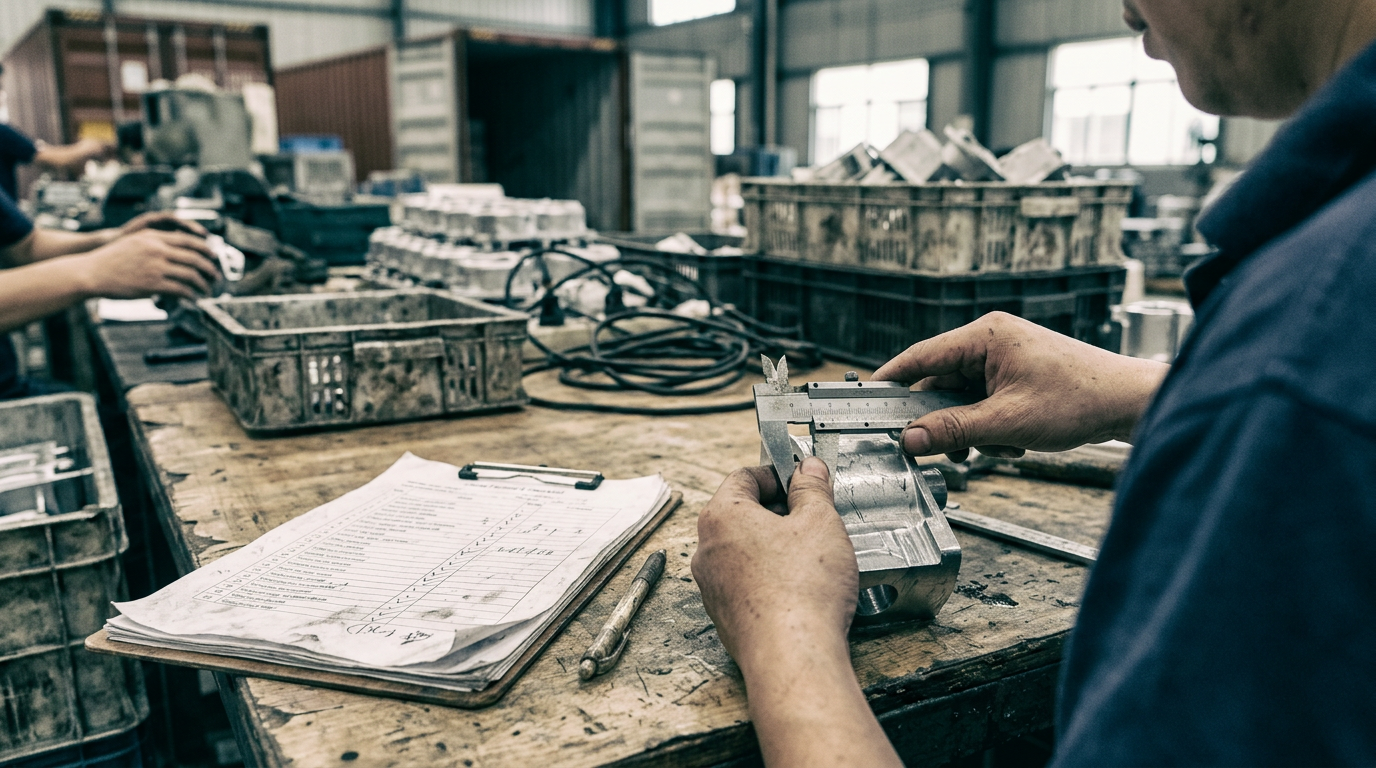
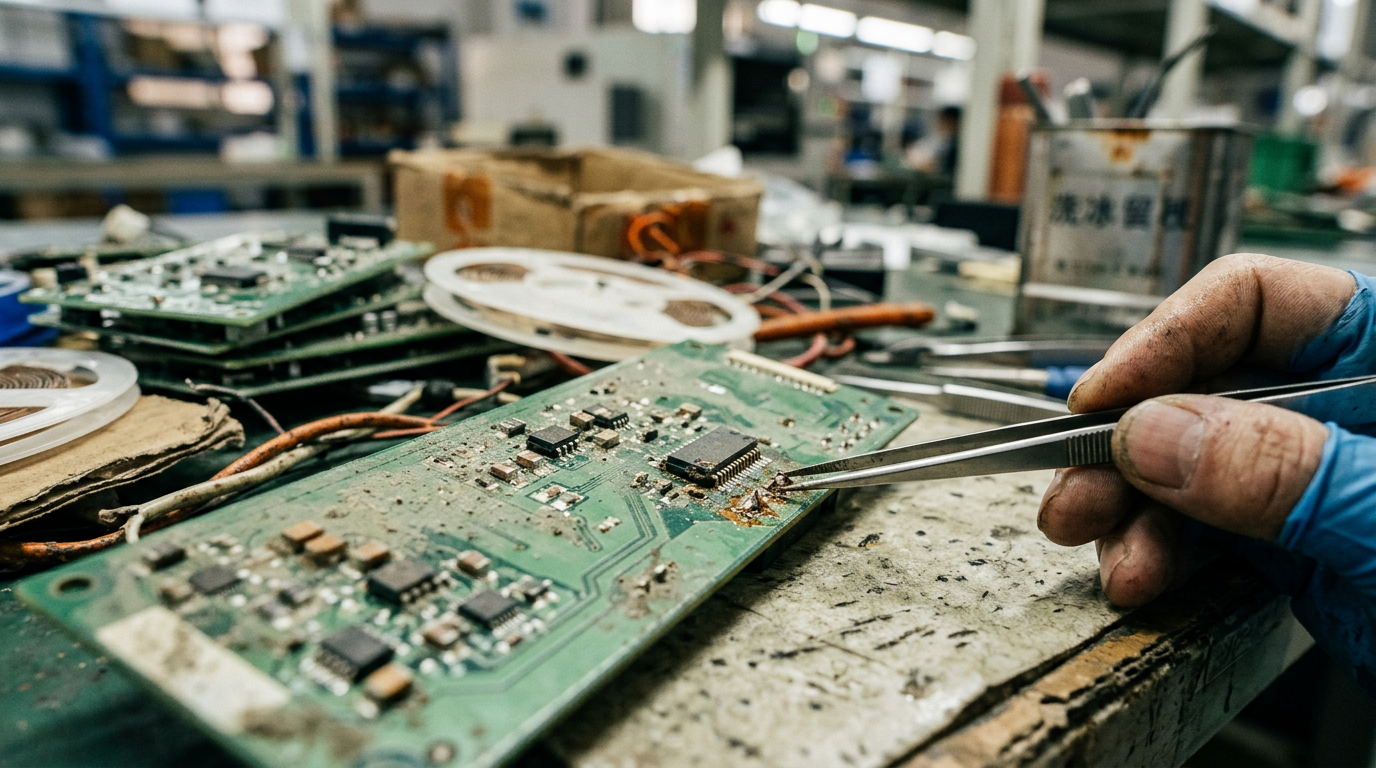
On the production floor, an experienced auditor looks for specific signals. At a raw material receiving station, are incoming materials quarantined and tested before being moved to the main warehouse? Is there a record of these incoming QC checks? On the assembly line—say, for electronics—are the SMT lines clean and the temperature and humidity controlled? Are workers following anti-static procedures? We check the QC stations embedded in the line. Are they actively staffed? Do they have proper lighting, calibrated measurement tools, and, most importantly, 'golden samples' and defect sample boards to give workers clear, physical examples of what is acceptable and what is not?
Machine maintenance is another critical focus. We don't just ask if machines are maintained; we ask to see the logs. On a large injection moulding press in a Foshan factory, we want to see a clipboard hanging off the side with a log sheet full of greasy fingerprints and recent entries from the maintenance crew. A pristine, cleanly printed log showing maintenance was done once, six months ago, is a major red flag. It suggests the system exists on paper but not in practice. Proactive maintenance prevents costly downtime and is a leading indicator of a well-run operation.
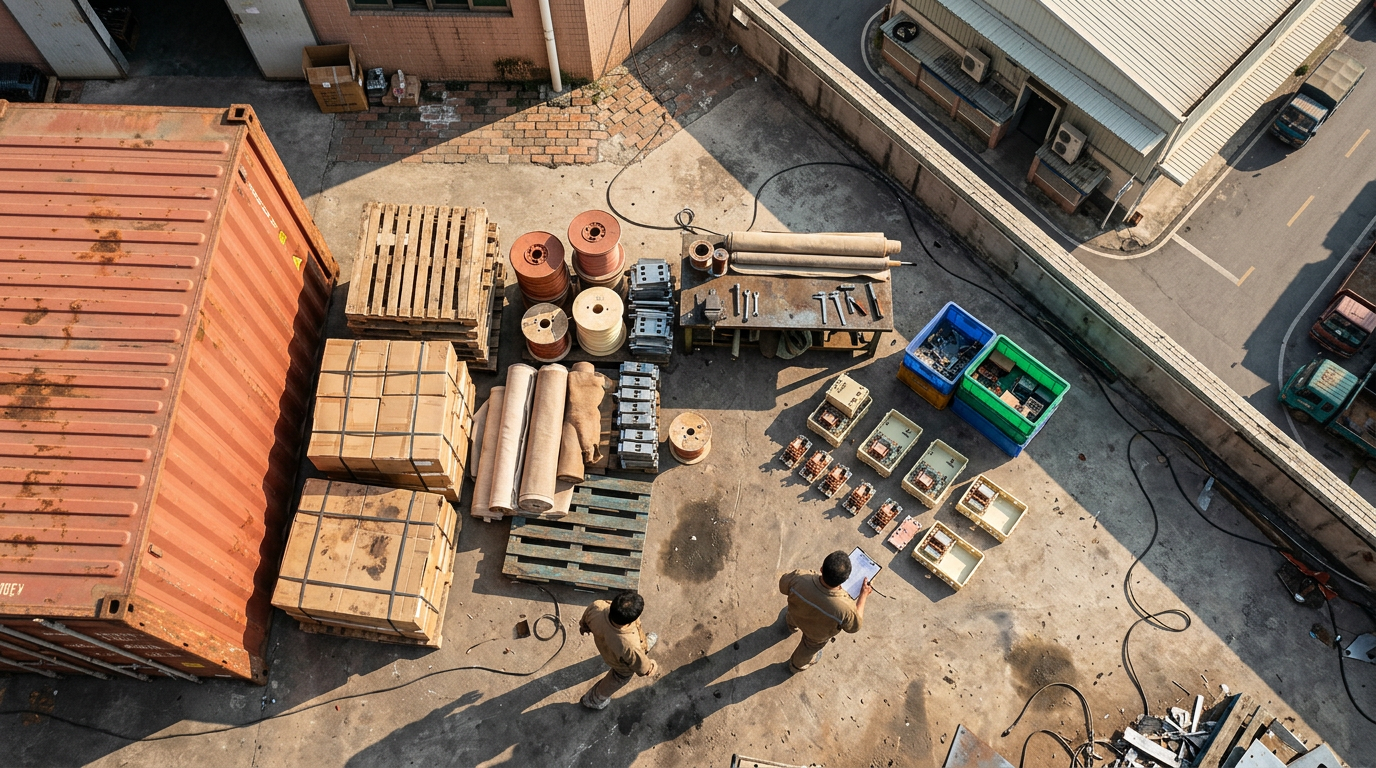
Capacity validation is a simple but vital part of the supplier audit procedure. We count the number of assembly lines, the key machinery, the number of shifts, and the number of workers. We then do the basic math to see if their claimed capacity of, for example, 30,000 units per month is remotely plausible. If a factory claims this output but has ten people manually assembling products, something is wrong. We also observe the workforce. Are workers trained? Are work instructions, in Chinese, posted at their stations? High worker turnover, often hinted at by sparse dormitory buildings or a constant stream of new faces, can cripple quality and consistency.
After the floor walk, the audit moves to the document room. This is where the systems are tested on paper. A comprehensive China factory audit involves reviewing a specific set of documents to cross-verify claims made by the sales team. The essential checklist includes: 1. Business License: To confirm the legal name, registered address, and official business scope. 2. Foreign Trade Registration: To confirm they have the right to export directly. 3. Quality System Certifications: Like ISO 9001, checking the certificate's validity, scope, and expiration date. 4. Raw Material Records: Including incoming inspection reports, Material Test Certificates (MTCs), and supplier purchase orders to trace material origins. 5. Production & QC Records: Batch production records, in-process QC reports, and final testing results for recent orders. 6. Social Compliance Audits: Previous reports from BSCI, Sedex, or major retailers can reveal issues with working hours or safety.
The solution is to integrate this verification step into your sourcing process correctly. A factory audit should not be a reaction to a problem; it should be a prerequisite for partnership. Before issuing a purchase order, especially one that involves tooling investment or high volumes, commission an audit. Whether you use your own staff or a third party, get a qualified auditor on-site. The resulting report will provide a score and a list of non-conformities, which can be minor (e.g., a fire extinguisher needs recharging) or critical (e.g., no quality control system exists). For minor issues, you can work with the supplier on a Corrective Action Plan. For critical failures, you walk away before any real money is lost.
Here is an insight from years of walking factory floors across the Pearl River Delta: The tidiest factory is not always the best factory. We have seen immaculate facilities that were essentially empty showrooms, kept pristine for client visits while the real work was subcontracted to a dozen dirty, chaotic workshops across town. Conversely, a busy, slightly messy factory in Bao'an, Shenzhen with well-maintained equipment, organized component flow, and a culture of in-process QC is often a far more reliable partner. The true purpose of a factory audit is to distinguish between a capable-but-imperfect operation you can work with and a polished façade hiding critical risks.
This level of on-the-ground diligence is foundational to resilient sourcing. A video tour can be misleading, and a sample can be hand-picked. That is why Procubility’s model depends on our Shenzhen-based team being physically present in the factories that make our clients' products. We conduct this rigorous factory audit process to vet suppliers for everything from quality management under ISO 9001 to emerging ESG requirements like the CSDDD. By verifying capabilities on-site, we help SME importers build supply chains on a foundation of facts, not just faith, ensuring the supplier you choose is the supplier who actually delivers.