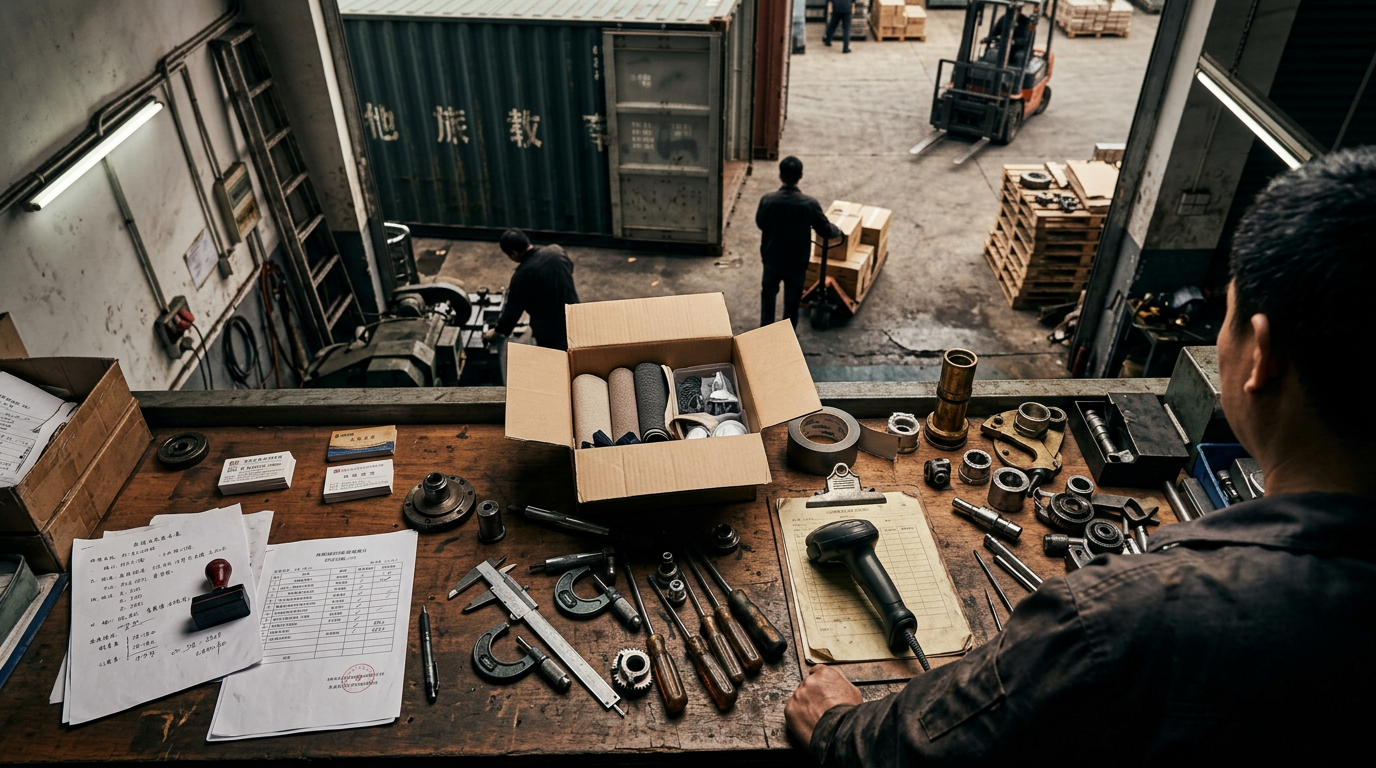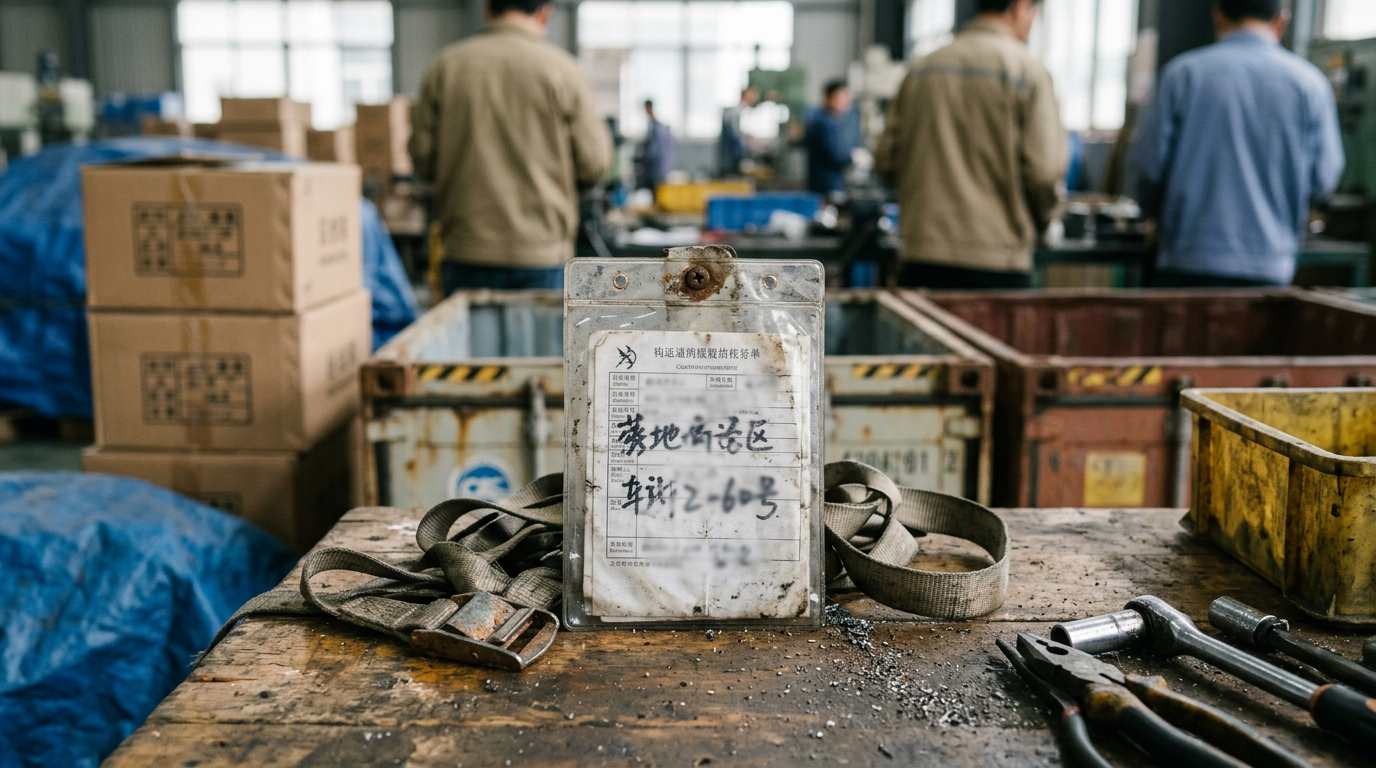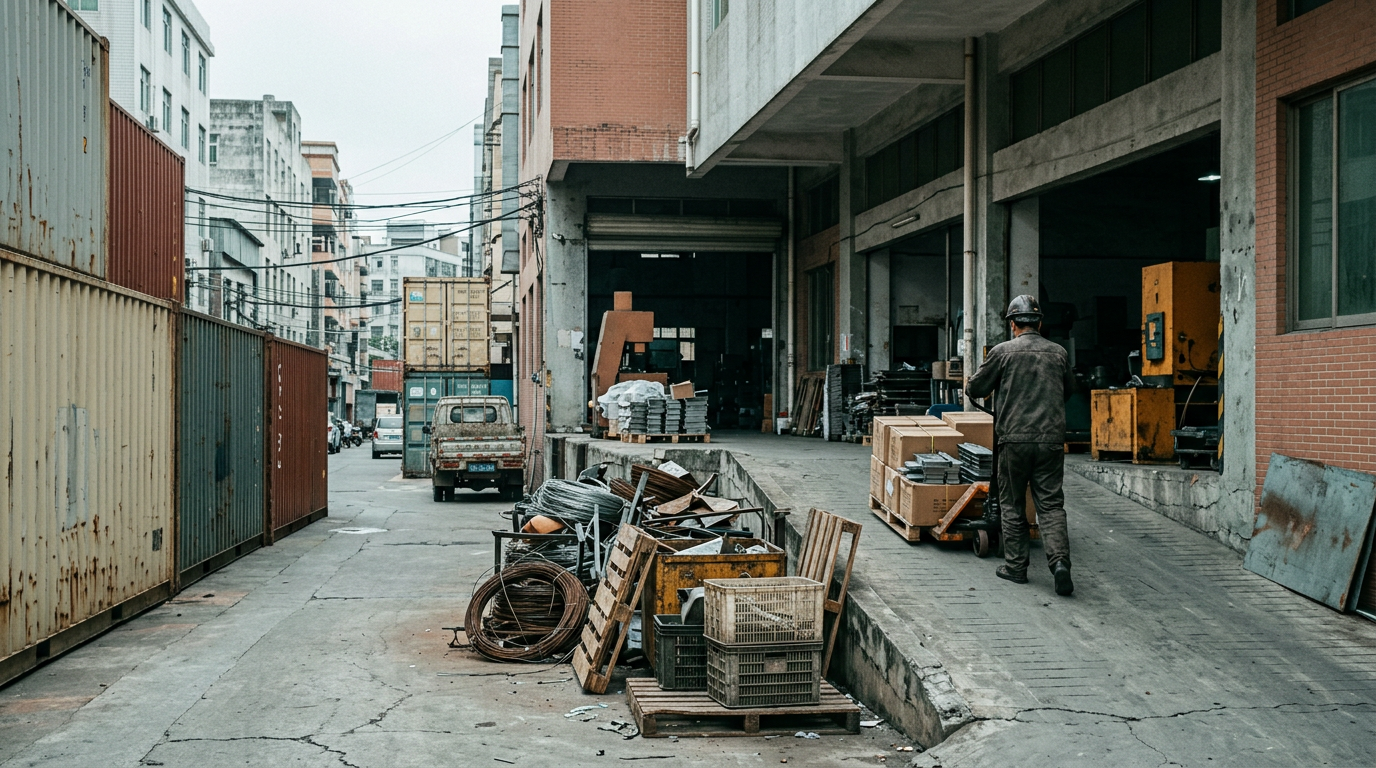
The question ‘Is my supplier a factory?’ is one of the first an experienced importer asks. The debate over manufacturer vs trading company is a constant in China sourcing. The default assumption is that buying directly from the factory is always better. It implies a lower price by cutting out the middleman, more control over the production process, and a direct line of communication with the engineers who are actually making your product. On paper, it is the ideal state.
The reality is often murkier. You find a potential supplier on a B2B platform. Their profile page shows pictures of a gleaming factory floor, rows of workers, and an impressive list of certifications. The English-speaking sales contact is responsive and assures you they are the direct manufacturer. You move forward, feeling confident you have established a direct relationship. But when technical issues arise, answers are slow and vague. When you push for a specific production schedule, you are met with delays. This is the moment of doubt. You start to wonder if you are dealing with the factory at all.
Here is a hypothetical scenario. A US-based importer places an order for 5,000 custom-designed aluminum enclosures with a supplier claiming to be a factory in Dongguan. They pay 50% T/T for tooling and a 30% deposit for the first mass production run. The pre-production samples are perfect. The first shipment is acceptable. On the second shipment, however, the finish is inconsistent and the material feels thinner. The importer’s assembly team finds that mounting holes are off by a fraction of a millimeter, just enough to disrupt their workflow. The contact in China apologizes but cannot provide a root cause analysis or material test certificates. The truth: the supplier is a small trading company operating from a commercial office in Shenzhen. They used a high-quality factory for the first run but switched to a cheaper, less capable one for the second to increase their margin. The importer has no relationship with, and no leverage over, the actual producer.
You do not need to be on the ground in China to perform a preliminary check. Before you commit significant capital, you can look for objective signals in documents and communications. A basic China trading company check involves scrutinizing the information the supplier provides and knowing what to look for. These signals do not offer absolute proof, but they build a compelling picture of the supplier’s true nature.
There are several key indicators that can help distinguish a manufacturer from a trading company. Start by asking for a copy of their business license and analyzing it for these clues: 1. Business Scope (经营范围): This is the most important field on the license. A manufacturer’s license will include words like “production” (生产), “processing” (加工), or “manufacturing” (制造). A pure trading company’s scope will be limited to terms like “trade” (贸易), “wholesale” (批发), “retail” (零售), and often “import and export business” (进出口业务). 2. Company Name: The name itself can be a hint. Many factories have names that include their industry, like “[City Name] [Product] Co., Ltd.” Trading companies often choose more generic names that include terms like “Trading,” “International,” or “Enterprise.” 3. Registered Address: A factory needs physical space for production. Is their registered address in a known industrial zone in a city like Foshan, Ningbo, or Dongguan? Or is it an address for a single suite in a commercial office tower in a downtown business district like Futian in Shenzhen? A quick search of the address online can be very revealing. 4. Product Range: A genuine factory specializes. It has specific machinery and expertise. If a supplier offers to sell you CNC-machined parts, LED lighting, and baby clothes, they are almost certainly a trading company. A specialized factory has a focused, logical product catalog.
Beyond documents, the questions you ask can be very telling. A trading company sales representative is trained to sell, not to solve engineering problems. A factory engineer lives them. Before committing to tooling payments or a first order, test their depth of knowledge. Ask questions that a simple middleman would struggle to answer quickly or accurately. “Can we schedule a brief video call with your production line manager to review our DFM report?” A trader will have to relay the request, get a translation, and coordinate with a third party. A factory can often make this happen quickly. Ask for a photo of the specific raw material for your product, in their warehouse, with a sheet of paper showing today's date. This simple request can expose a company that holds no inventory.
The proper sequence is to conduct these checks before money and commitment create momentum. First, gather the documents: business license, any ISO 9001 or industry-specific certifications. Second, analyze these documents for the tell-tale signs in the business scope, registered capital, and address. Third, ask probing technical and operational questions. This process should happen before you pay for tooling and before you remit the first T/T deposit for mass production. If the supplier is evasive or the evidence points towards them being a trader while they claim to be a factory, it is a significant red flag. It is far easier to pause and find another supplier at this stage than it is to fix problems once production is underway with an unknown third party.
It is important to state that using a trading company is not inherently bad. The critical distinction is transparency. A good trading company does not pretend to be a factory. Instead, it provides clear value as a service provider. A trading company can be a valuable partner for buyers who: need to consolidate small orders from several different factories; require a wider variety of products than a single factory can produce; or lack the resources and language skills to manage multiple supplier relationships and export logistics themselves. These firms act as a service layer, managing sourcing, quality control, and logistics for a fee or margin. The problem arises only when a trading company misrepresents itself as a manufacturer, creating a hidden layer of risk and removing the buyer’s control.
The lines in the manufacturer vs trading company debate are also becoming less distinct. The sourcing landscape in China is continually maturing. Many large, successful manufacturers have established their own in-house trading departments. These function as separate business units dedicated to handling international sales, communication, and export compliance, allowing the factory floor to focus solely on production. Conversely, some large, sophisticated trading companies have evolved by investing in or acquiring their own factories for their core product categories. This creates a hybrid model where they manufacture some goods directly while trading others. Understanding this nuance is key to assessing a specific supplier’s capabilities.
Ultimately, determining your supplier's true identity is a foundational element of risk management. Knowing if you are dealing with a factory or a trader dictates your communication strategy, your audit plan, and your quality control process. A trading company requires a different verification approach than a manufacturer. For buyers who need certainty before placing a large order or investing in expensive tooling, a professional supplier verification service can provide it. Such an engagement independently obtains official corporate records, analyzes the supplier’s operational footprint, and can culminate in an on-site factory audit to provide definitive, observable proof that the claimed production facility and capabilities are real and under the supplier’s direct control.