You have found a promising Chinese supplier. The initial communication was smooth, the price is competitive, and the first samples look good. Yet, a sense of uncertainty remains. Before wiring a deposit for tooling or a 30,000-unit production run, how can you be sure this factory is truly capable of delivering on its promises? This gap between initial confidence and genuine verification is where a structured approach is needed. A thorough China factory audit checklist is not a formality; it is a critical risk mitigation tool for any serious importer.
The primary risk is that the factory you vet is not the factory that produces your goods. Consider the experience of a German kitchenware brand. They approved a supplier in Dongguan based on an impressive showroom and a well-managed assembly area. They placed a large order. However, the supplier secretly subcontracted the crucial metal polishing and coating process to a smaller, cheaper, and un-audited workshop down the street. The final products arrived in Hamburg with inconsistent finishing and, more alarmingly, failed EN food-grade migration tests. The container was rejected, resulting in a total loss and significant damage to the brand's reputation. A proper audit would have investigated production capacity and identified the high probability of subcontracting.
A comprehensive factory audit is a systematic, on-site verification of a potential supplier's capabilities, systems, and compliance. It is not a product inspection. A factory audit verifies the factory's *systems*; a pre-shipment inspection verifies the finished *goods*. A well-constructed supplier audit checklist acts as the framework for this verification, ensuring that all critical areas are examined methodically. It forces the evaluation to move beyond superficial impressions and into a data-driven assessment of the supplier's actual operational fitness.
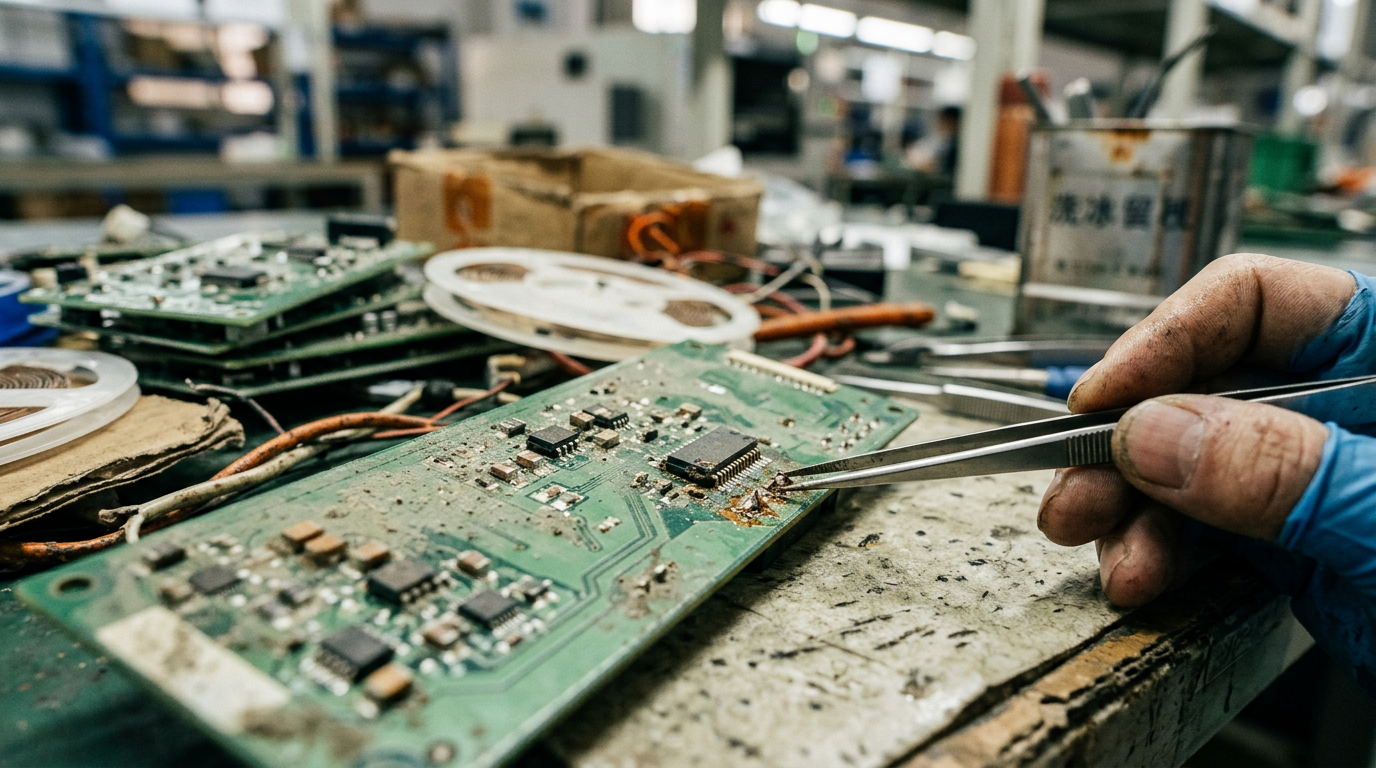
Your checklist should begin with the fundamentals. The goal is to confirm the factory is a legitimate, stable entity with the core assets to do the work. Key points to cover here are: 1. Legal and Business Registration. You must obtain and review their business license (营业执照). Check the company name, registered address, legal representative, and, most importantly, the official business scope. Does it list ‘manufacturing’ and the correct product category? A trading company’s license will look different. You can use China’s National Enterprise Credit Information Publicity System for basic online verification. 2. Production Capability and Capacity. Walk the entire factory floor. Does the machinery they claim to own actually exist, and is it operational? Ask for a demonstration on a key piece of equipment, like a CNC machine or SMT line. Assess the real output capacity versus the claimed capacity; a significant mismatch can be a red flag for undisclosed subcontracting.
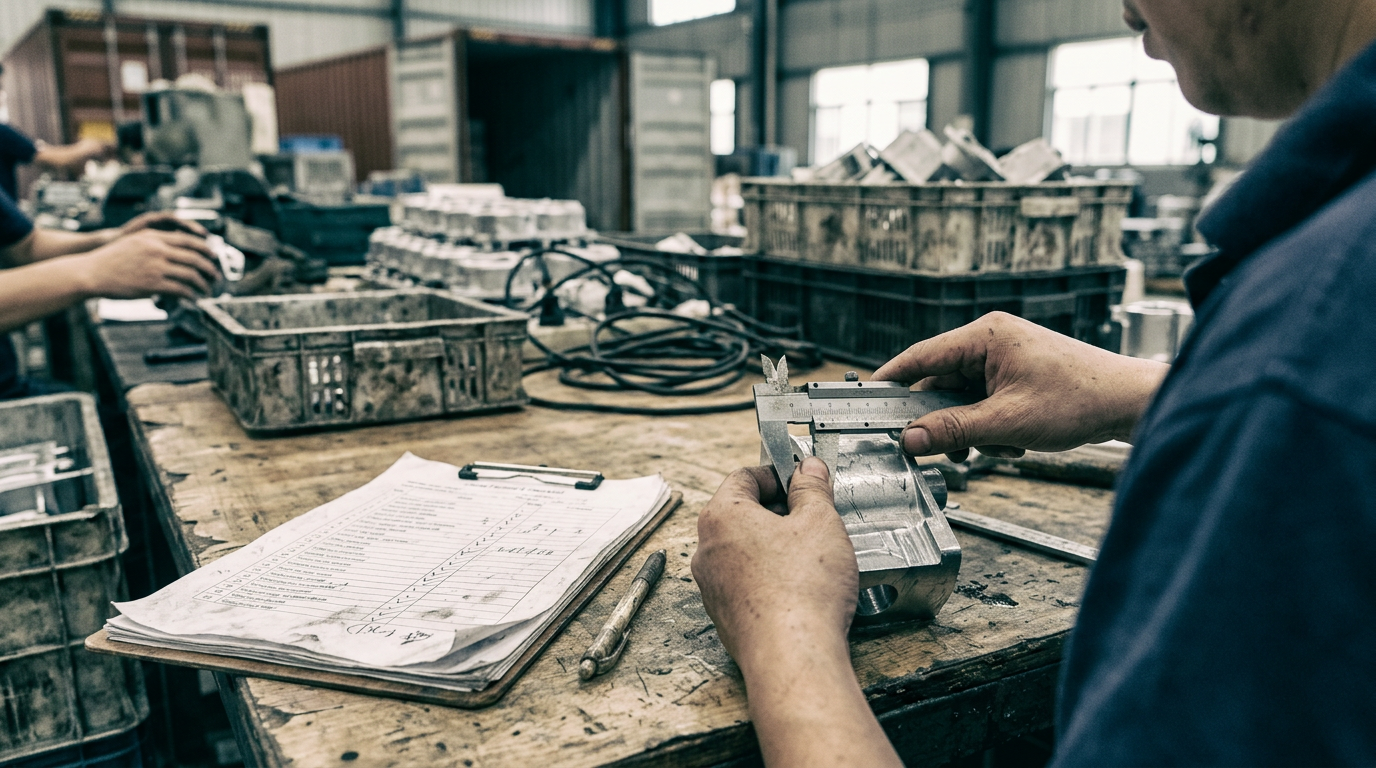
Next, the audit must go deep on quality management. A factory's ability to produce a good sample once is very different from its ability to maintain quality over thousands of units. Your factory inspection checklist should scrutinize their Quality Management System (QMS). 3. Quality Process and Documentation. Do not just accept an ISO 9001 certificate at face value. Ask to see the quality process in action. Is there a specific station for Incoming Quality Control (IQC) to check raw materials and components? Are there In-Process Quality Control (IPQC) checks at critical manufacturing stages? How is the Final Quality Control (FQC) team structured and what are their testing procedures? Ask for the documentation—the inspection reports, the testing records, and the calibration logs for their measurement tools.
Compliance is no longer an optional extra; for importers in Europe and North America, it is a legal and commercial necessity. The checklist must have a dedicated section for this. 4. Certifications and Social Compliance. Request copies of all relevant certificates, such as ISO 9001 (quality), ISO 14001 (environmental), and social compliance audits like BSCI or SMETA. For your product, ask for technical compliance documents like CE, UKCA, RoHS, or FCC reports. The critical step is to independently verify the certificate number with the issuing body (e.g., TÜV, SGS, Intertek) online. Forgeries are common. Beyond paper, observe the conditions on the factory floor. Are fire exits and extinguishers clearly marked and unobstructed? Are workers using appropriate personal protective equipment (PPE)? These on-the-ground observations are vital, especially with emerging regulations like the EU's Corporate Sustainability Due Diligence Directive (CSDDD).
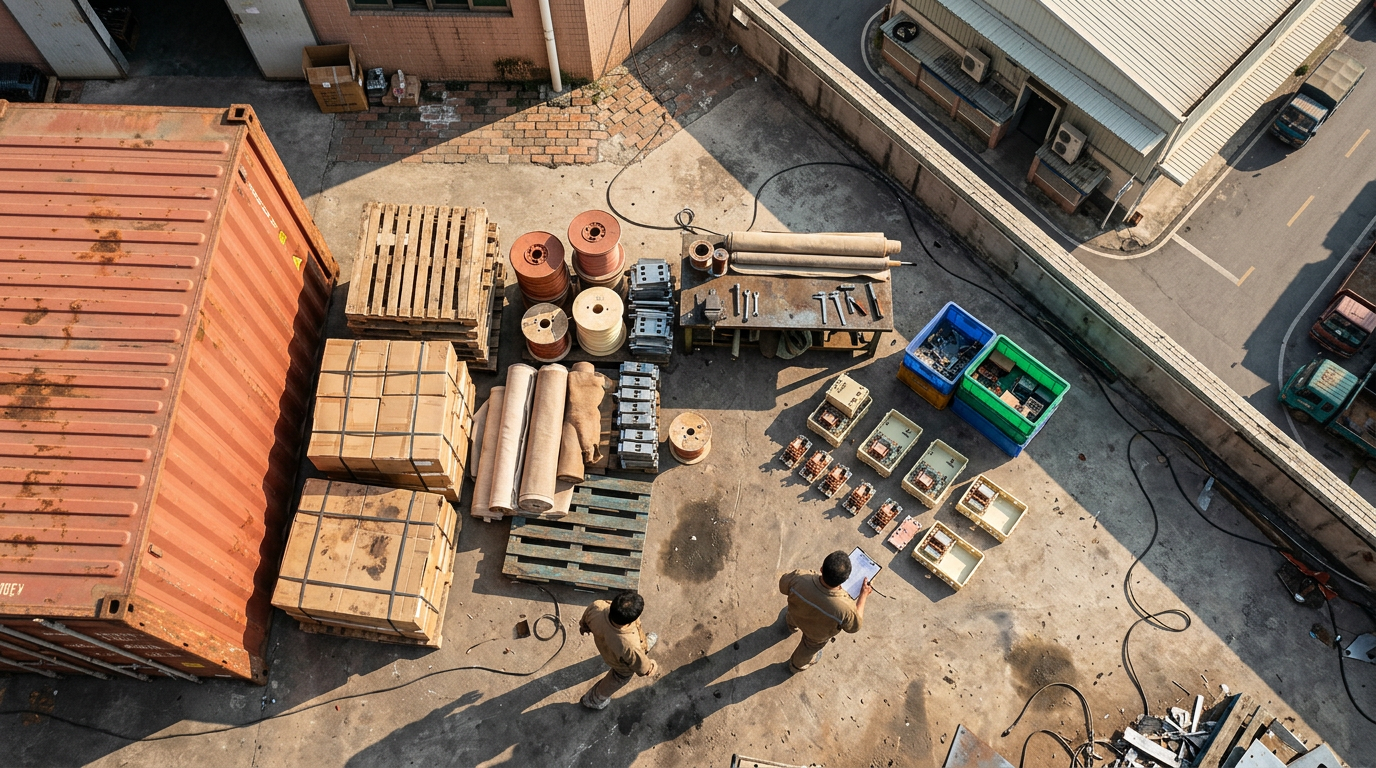
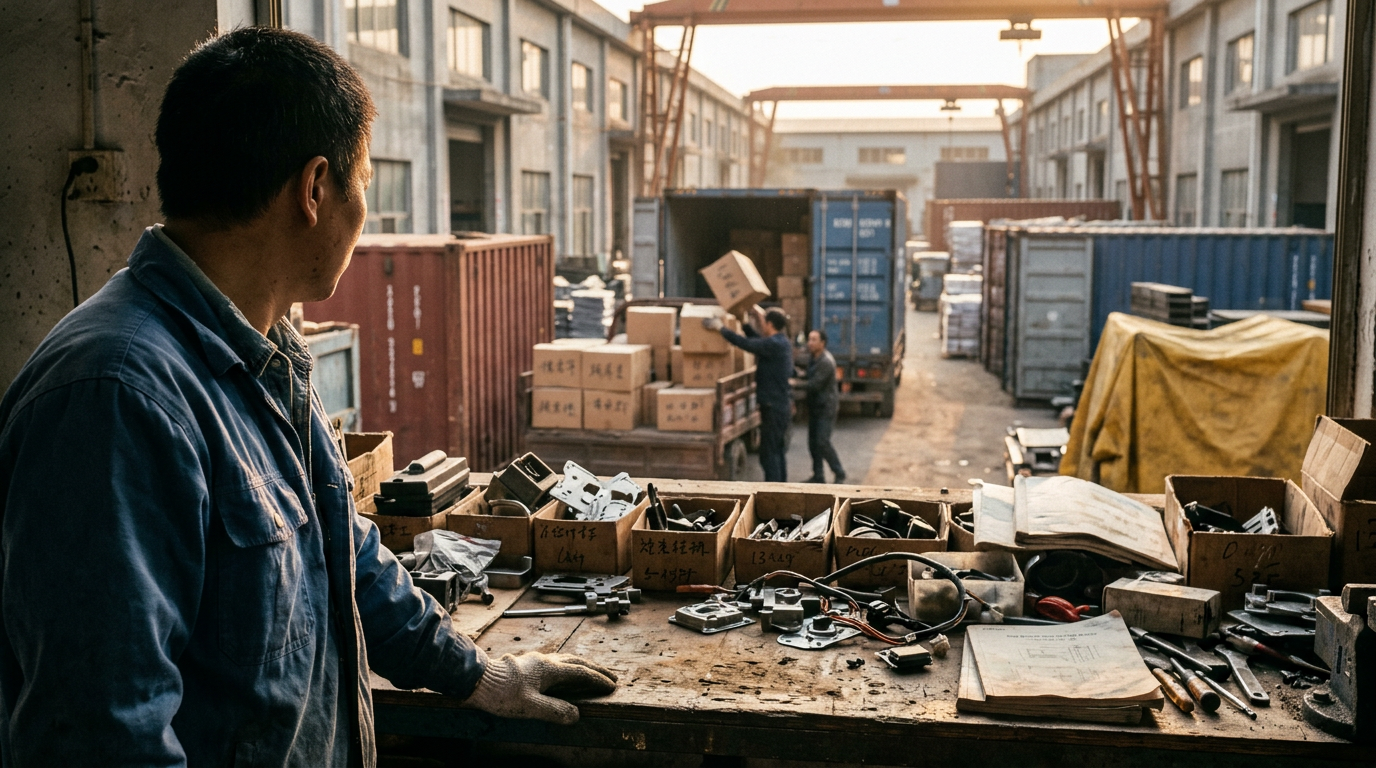
Two final areas are often overlooked but are increasingly important for modern supply chains. 5. Data Security and IP Protection. If you are developing a custom OEM product, the supplier will be handling your intellectual property. How do they manage your CAD drawings, specifications, and design files? Are they stored on a secure, access-controlled server, or simply on a designer's desktop computer connected to the open internet? A weak data security posture puts your IP at risk. 6. Logistics and Warehouse Management. A factory's warehouse is a powerful indicator of its overall organization. Is it clean, orderly, and does it use a clear system for storing raw materials and finished goods? Or is it a chaotic mess? A poorly managed warehouse often predicts shipping errors, incorrect carton markings, and damaged goods. Confirm they understand your required Incoterms (e.g., FOB Shenzhen, EXW Dongguan) and have experience preparing correct export documentation.
This China factory audit checklist is not a questionnaire for the supplier to fill out themselves. It is a tool to be used by an experienced auditor on the factory floor. The audit must be conducted on-site. It should be scheduled before you make any significant financial commitment, such as paying for mould tooling or the main production deposit. The outcome should not be a simple pass/fail grade but a detailed report containing photographic evidence, document scans, and a Corrective Action Plan (CAP) that outlines any identified weaknesses. This report provides the objective basis for your decision: to proceed, to demand improvements before proceeding, or to walk away and find a different supplier.
Here is an insight from years of conducting these audits in person. Many importers are satisfied when a factory manager presents a valid ISO 9001 certificate. The real test, however, is to ask for the documents that the ISO 9001 system itself requires the factory to produce. Ask to see the minutes from their last management review meeting, or their most recent internal audit report. If they cannot produce these documents, it is a strong signal that the certificate is merely for show and the quality system is not actually being used to manage the factory. Another powerful check is to ask about their material traceability system. Can they take a finished product and trace it back to the specific batch of raw materials used? A factory that cannot do this has a critical gap in its process control.
Building and executing a professional supplier audit requires local expertise and a trained eye. It's about reading between the lines, knowing which questions to ask, and understanding the nuances of the manufacturing environment in cities like Shenzhen, Ningbo, or Foshan. This is difficult to achieve from a distance. Procubility's value is rooted in our on-the-ground presence. Our Shenzhen-based team performs these in-depth factory audits as a core component of our sourcing service, verifying everything from business licenses to social compliance. We ensure our clients are partnered with qualified, financially stable, and ethically sound manufacturers, providing the assurance needed to build a resilient and reliable supply chain from day one.