You have found what looks like the perfect supplier. The Alibaba profile is professional, the product photos are sharp, and the quoted price is competitive. After a few positive email exchanges, the salesperson sends over a proforma invoice for a 30% deposit. Everything feels right, so you instruct your bank to make the transfer. This is the moment of maximum risk for an importer, the point where a transaction moves from conversation to financial commitment. Without a formal process for vetting, you are operating on trust alone. A structured China supplier due diligence checklist turns this hope into a calculated business decision.
The risk of skipping this step is not abstract. Consider a hypothetical case: an American importer of small kitchen appliances places a $150,000 order with a new supplier in Ningbo. The supplier’s website showcases a modern factory with advanced assembly lines. Samples pass inspection. The importer pays the deposit and, six weeks later, the balance. When the container arrives in Los Angeles, a random inspection by US Customs and Border Protection flags the product for failing to meet FDA standards for food-contact materials. The importer’s own third-party testing confirms the failure. The supplier in Ningbo turns out to be a trading company operating from a small office, having subcontracted the order to a low-cost, unqualified factory to increase their margin. They stop responding to emails. The importer now possesses a container of unsellable, non-compliant goods. A simple supplier verification checklist would have exposed the mismatch between the claimed factory and the actual trading company status.
Effective due diligence is not an arcane art; it is a systematic process of asking the right questions and demanding verifiable proof. A comprehensive China supplier due diligence checklist can be broken down into three core areas: corporate legitimacy, operational capability, and commercial history. The process should feel like an investigation, where each piece of evidence either builds confidence or raises a red flag. It begins with documents, moves to verification, and, for significant partnerships, concludes with an on-site assessment. This structured approach allows you to methodically de-risk a potential supplier before committing significant capital.
The first section of your checklist should focus on corporate records. These documents establish the legal identity and basic legitimacy of the company. Start by requesting these three items: 1. Business License (营业执照). This is the foundational document. You must check the official company name, the registered address, and, most critically, the business scope (经营范围). The scope explicitly states what the company is legally permitted to do. Look for terms like 'production' (生产) or 'processing' (加工) if you want to work with a direct manufacturer. If the scope only lists 'sales,' 'wholesale,' or 'import/export,' you are dealing with a trading company. 2. Bank Account Information. The beneficiary name on the proforma invoice for your deposit must be an exact match to the company name on the business license. Any discrepancy—a payment to a personal account or a similarly named but different entity—is a major warning sign for potential fraud. 3. Export License. While not all factories have a direct export license, they must have a legal and documented method for exporting goods, often through a licensed third-party agent. Asking how they will legally export your shipment is a fundamental due diligence question.
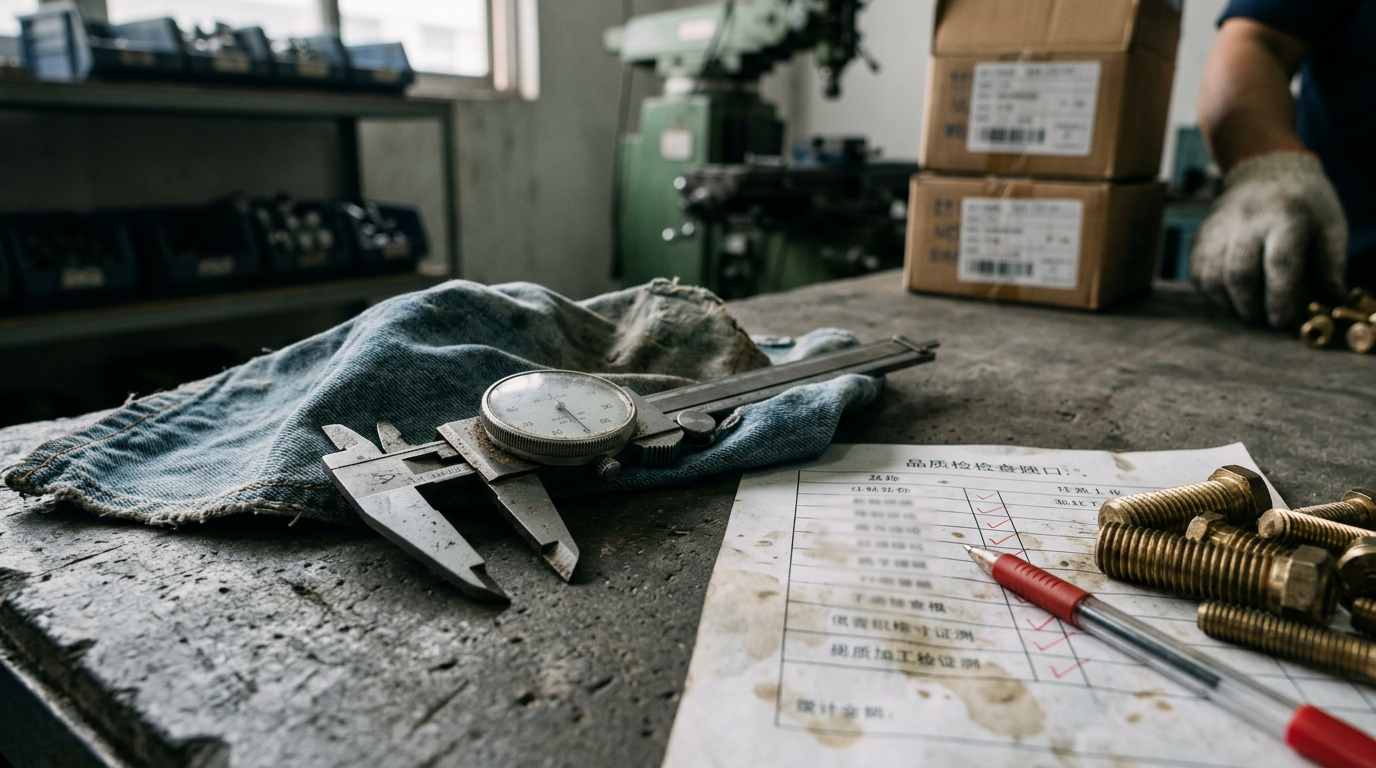
Once you have established the company's legal existence, the next part of your checklist evaluates its claimed capabilities and quality standards. Ask for documentation that supports their assertions as a qualified manufacturer. This includes: - Quality Management System Certificates. Request copies of any certifications they claim, such as ISO 9001 for quality management, ISO 14001 for environmental management, or industry-specific standards like IATF 16949 for automotive parts. Do not just accept the PDF file; use the certificate number to verify its authenticity and status on the website of the issuing certification body. A certificate does not guarantee a quality product, but a fake certificate guarantees a dishonest supplier. - Ownership and Legal History. Understanding who owns the company and whether they are involved in any legal disputes provides deeper context. Publicly accessible government databases can reveal shareholder information and any recorded court judgments against the company. - Commercial Evidence. A legitimate supplier with an established track record should be able to provide evidence of past shipments. Ask for redacted copies of Bills of Lading (B/L) for shipments to other markets. This proves they are not just a startup with a good website but an active business engaged in exporting goods.
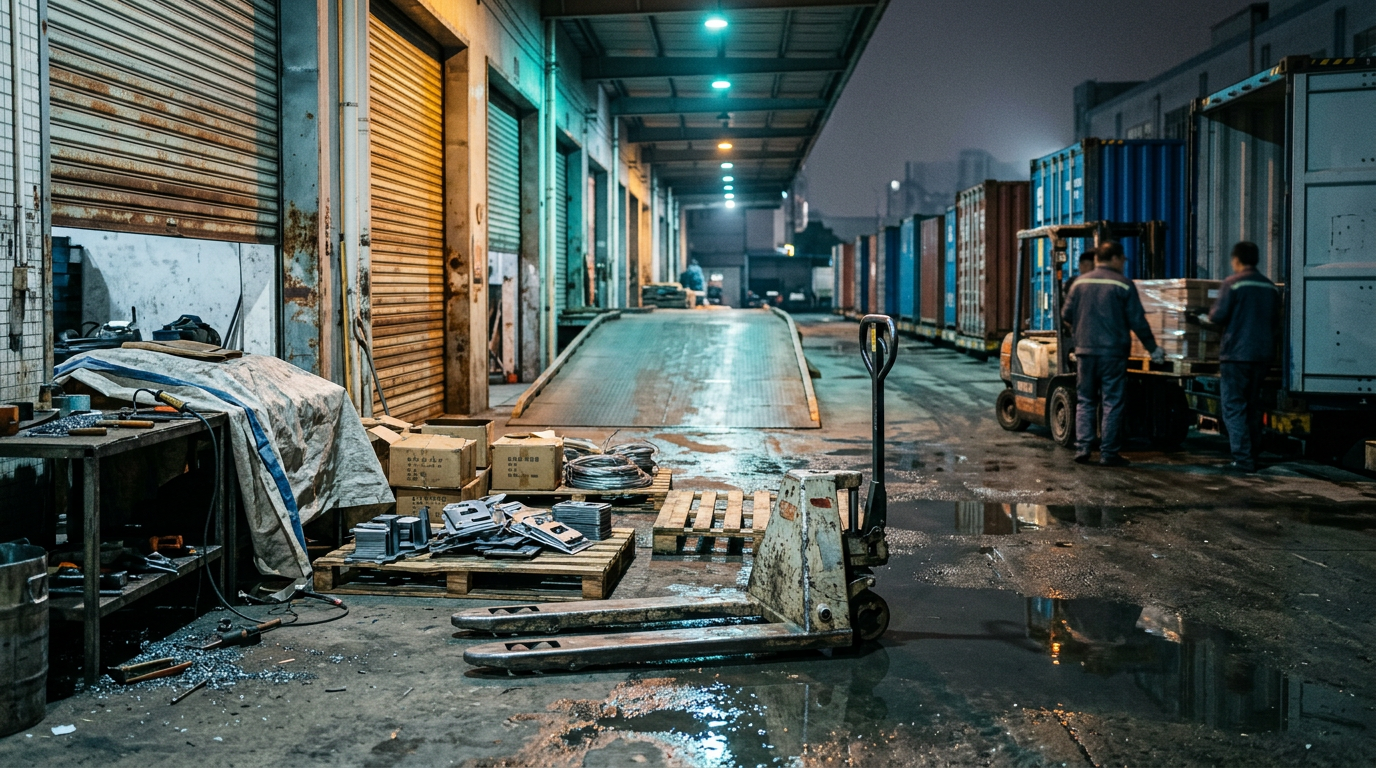
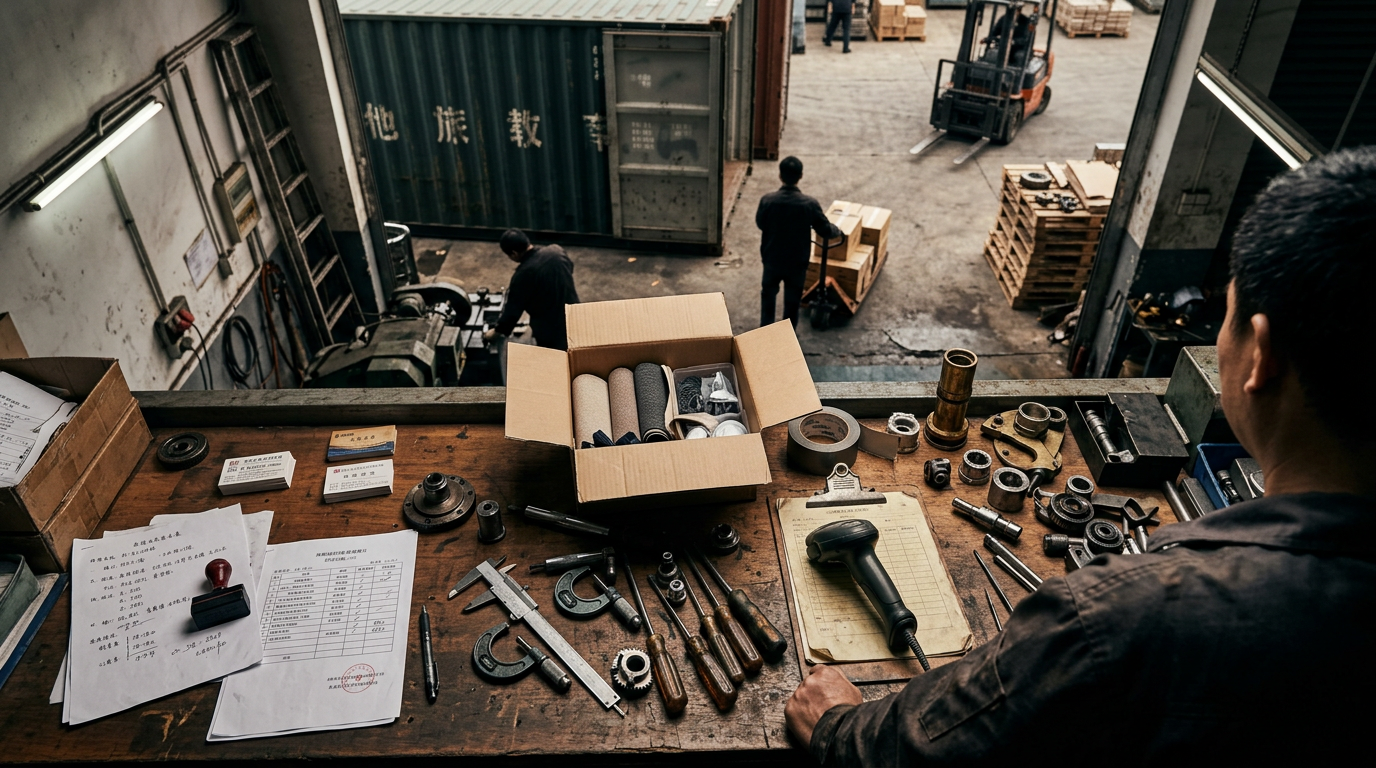
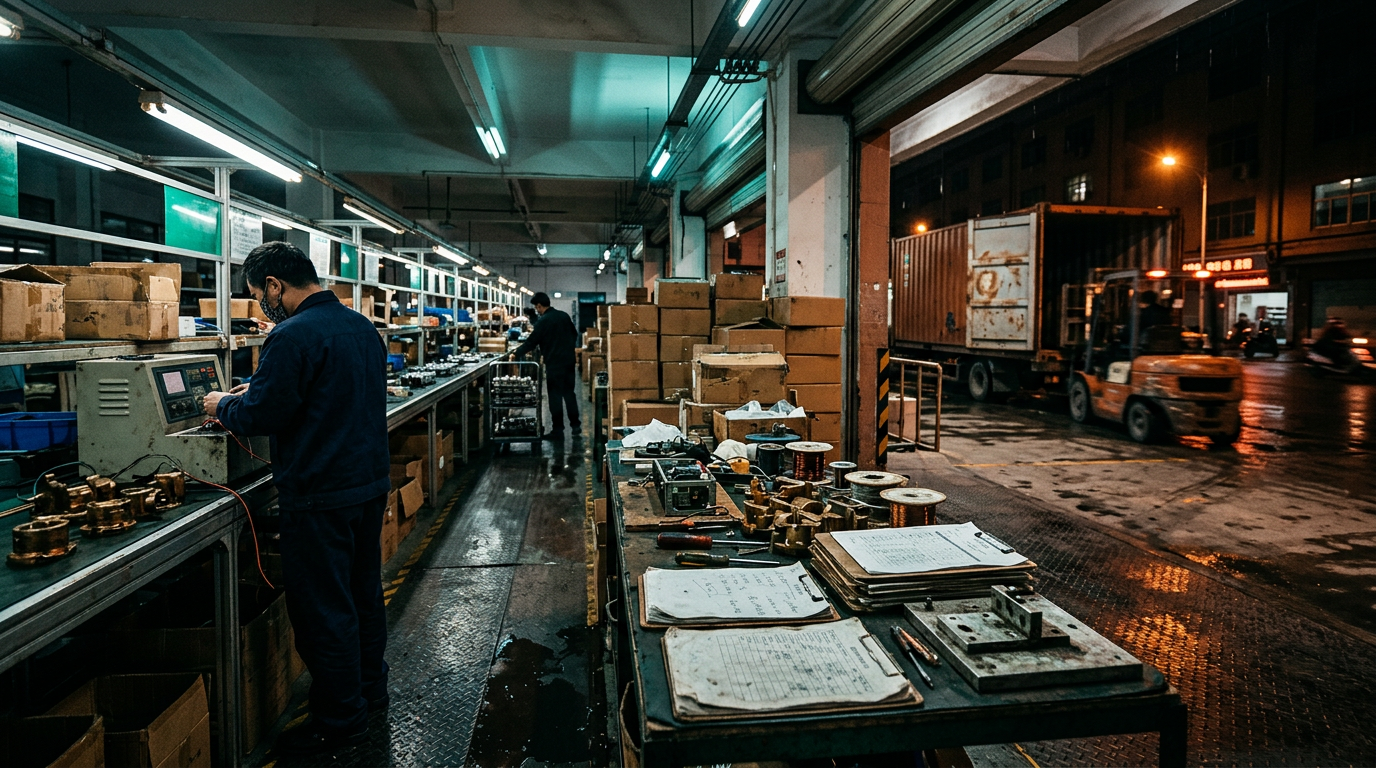
The final element of a thorough supplier verification checklist is the site check. Documents can be forged, and trading companies can be skilled at presenting themselves as factories. A physical or remote verification of the actual facility is the only way to confirm ground truth. This check focuses on confirming that the operational reality matches the paper trail. Key points to verify include confirming the factory address matches the one associated with the business, observing the number and type of production lines, and looking at the general state of the facility. Are raw material warehouses organized? Are quality control stations present and staffed? Is the machinery—such as CNC machines, SMT lines, or injection moulding presses—the type and age you would expect for your product? The presence of finished goods from other well-known brands can be a sign of experience, while a lack of activity or an abundance of machinery from other industries can be a signal that subcontracting is likely.
To make this process actionable, implement it as a phased gate in your sourcing workflow. Before any funds are transferred, especially for tooling or a first order deposit, specific due diligence steps must be completed. First, conduct a desk audit by collecting and reviewing all the corporate and quality documents. Many potential issues can be identified at this stage at minimal cost. Second, verify the key documents. This means cross-referencing the business license information with China's National Enterprise Credit Information Publicity System and checking the validity of certifications with their issuers. Only after the supplier passes these first two stages should you proceed to the third stage: an on-site factory audit to verify physical capabilities. Finally, compile all these documents—the business license, audit report, certificates, and bank details—into a supplier qualification file. This file is not just for your own records; it is an essential part of your own company's compliance obligations under regulations like the EU's Corporate Sustainability Due Diligence Directive (CSDDD).
A key practitioner insight is understanding the operational difference between a 'manufacturer' (生产型) and a 'trading company' (贸易型), as defined on the Chinese business license. Working with a trading company is not inherently negative; many provide valuable services in consolidating products, managing logistics, and handling communication. The risk arises from misrepresentation. When a trading company pretends to be a factory, you lose transparency and control. You are likely paying a higher price than you would by going direct, and you have no direct channel to the engineers and production managers who are actually making your product. If a quality issue arises, your trading company contact is merely a middleman, relaying messages back and forth with the real factory, which has no direct relationship or accountability to you. Due diligence uncovers this structure, allowing you to either accept it knowingly or find a true manufacturing partner.
A China supplier due diligence checklist is a structured framework for verifying a potential supplier's legitimacy, capability, and compliance before entering into a commercial agreement. It systematically examines corporate records, quality systems, production capacity, and commercial history to mitigate risks like fraud, quality failures, and supply chain disruptions. The process transforms supplier selection from a guess into an evidence-based decision, ensuring the entity you are paying is the one qualified to deliver your product to the required standards.
Assembling and executing a China supplier due diligence checklist is a critical pillar of any professional import strategy. While experienced buyers can perform the initial desk audit remotely, the verification of Chinese-language documents against official databases and the execution of a credible on-site factory audit requires specialized local knowledge. Procubility’s core services, including Supplier Verification Reports and Factory Audits, are designed to provide buyers with this independent, on-the-ground intelligence. We act as your eyes and ears in cities like Shenzhen, Dongguan, and Foshan, confirming that a potential partner is a legitimate, capable, and suitable fit for your business before you commit.
The goal is to build a supply chain based on verifiable facts, not just promising conversations. When you know exactly who your supplier is, what they are capable of, and how their quality systems function, you create a foundation for a more predictable and resilient business. This initial investment in due diligence consistently proves to be far less costly than managing a production failure, a product recall, or a complete loss of funds. It is a fundamental discipline for anyone serious about manufacturing in China.
Finally, maintaining a formal record of your diligence is becoming less of a best practice and more of a legal requirement. As regulations governing supply chain transparency and compliance, like the CBAM and CSDDD in Europe, become more stringent, authorities will expect importers to provide evidence of their supplier vetting processes. The file you build using your supplier verification checklist—containing the business license, audit reports, and quality certificates—becomes your proof of responsible sourcing. It demonstrates that you took deliberate, documented steps to understand and manage risk within your supply chain, protecting both your investment and your brand's reputation.